Some of my most memorable days on Lake Fork have been those spent catching big bass on hollow bodied frogs. Every angler loves a good frog bite. The oftentimes ferocious strikes are what make frog fishing so enjoyable. Day in, day out, topwater frogs produce big bass, especially on Lake Fork.
Frog fishing comes with a price however. There is no other technique in the world of bass fishing with such a poor hook-up ratio. This can be frustrating, especially when you can see how big the fish was that attacked your frog. Sometimes you can do everything right and still miss the bite, but there are a few things you can do to increase your success.
First, it’s important to choose the right frog. There are a lot of choices out there from many different lure companies. There are a few that I really like, and I’m sure there are some great ones that I haven’t tried. Some companies offer a traditional style frog, as well as a “popping” style frog. Both styles have their place in my box. I tend to use the traditional frog more in the heaviest cover and matted vegetation. Sometimes a popping style will work better in areas where the cover is a little less dense.
The first thing you need to do when choosing a frog is feel the plastic. I like to press down on the back of the frog, right in front of the hook points. This tells me how much force will be needed to set the hook. Because they are so weedless and effective in heavy cover, they can also prevent fish from getting hooked. Therefore, I prefer frogs with a really soft body. Also, I always take my pliers and slightly bend the hook points out, just a few degrees. This will have little if any effect on how weedless the frog is, but I believe it makes a big difference in hook-up percentage.
I wish color selection was more simple. Lure companies offer such a wide variety of color options that it can be overwhelming. Personally, I believe having a few basic color variations is best. I like black, white, and brown or green. Keep in mind the frog is silhouetted beneath a brighter sky and all the fish see is the bottom portion of the lure.
In my opinion, the retrieve is the most important aspect of being successful. I like to “walk the frog”. This is the rhythmic left/right movement often referred to as “walking the dog” that is most commonly used with Zara Spook type topwaters. Most hollow bodied frogs aren’t designed to do this, but with some practice it can be done rather easily. An angler who can walk the frog can go behind other frog fishermen and clean house!
The first thing I do when I remove a new frog from the packaging, is trim one leg of the skirt material about a half inch shorter than the other. This will change the balance of the frog and is essential in getting that side to side movement. I work the frog with my rod tip pointed down and employ a steady rhythm, twitching my wrist as I reel very slowly with the other hand. I leave a good bit of slack in the line as this allows the frog to move freely each direction. In a nutshell, you’re retrieving the frog extremely slow while keeping a constant side to side motion. This looks like a meal that’s easy to catch because it isn’t covering much water, but at the same time the fish can’t get too good of a look at it because it is moving constantly. It’s a retrieve that a lot of folks have trouble with, but it’s definitely worth mastering.
I always use braided line with frogs. Being a topwater technique the noise and visibility of braid are not issues. Also, line stretch is eliminated with braid, so your hook-ups will vastly improve. 50lb test Power Pro is a good choice. I often use 65lb, however 50lb will give the frog a little more movement if you’re having trouble walking it.
I really like a heavy rod with a slightly softer tip for this technique. You need a rod with a lot of backbone to get a hard hookset. However, a rod with a tip that’s too stiff will make the frog difficult to cast and walk. I prefer a rod around 7′. I don’t want one so long that it’s smacking the water when I’m retrieving. You want a strong rod, but you don’t need a flipping stick when you have braided line. I use a high speed Shimano Curado for my reel. Taking up slack quickly is very important with this technique.
Finally, I try to force myself to delay the hook set. Waiting just a second longer than you feel like you should will greatly increase your hook-ups. I often find that bass will hold the frog a long time if you don’t jerk. Pausing a moment will allow the fish to get the frog down in it’s mouth deeper. If I still miss the fish, I find it’s very rare for me to get that same fish to make another attempt at a frog. However, if I have a weightless fluke or senko handy, I toss it exactly where I missed the fish. This is the only way I’ve found to salvage missed frog bites.
Hopefully this information will help you have more big catches and less missed opportunities. If you’re coming to Lake Fork, feel free to contact me, I’d love to help in any way I can. There are a lot of Lake Fork guides to choose from, but if you choose me I will do my best to exceed your expectations for the trip!
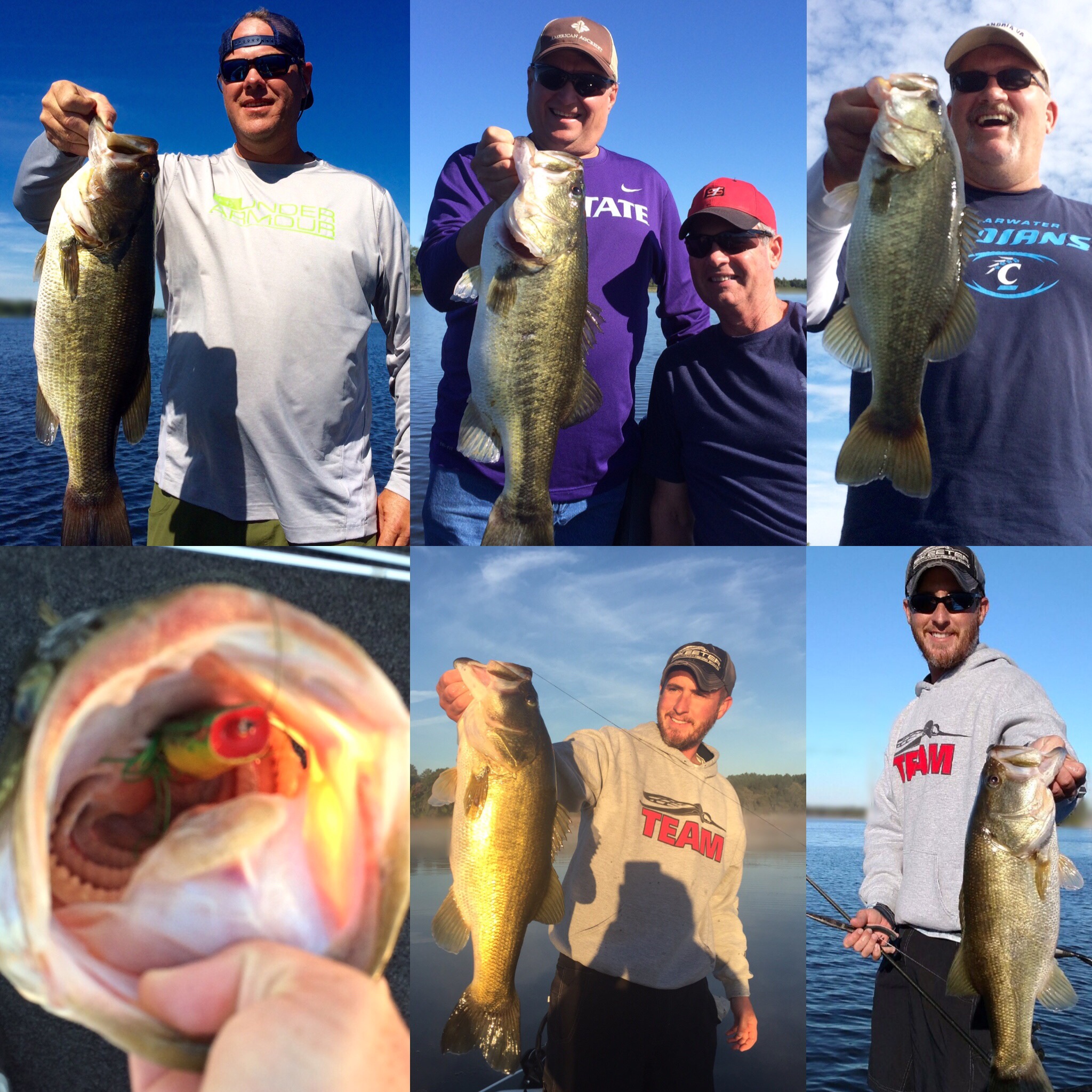
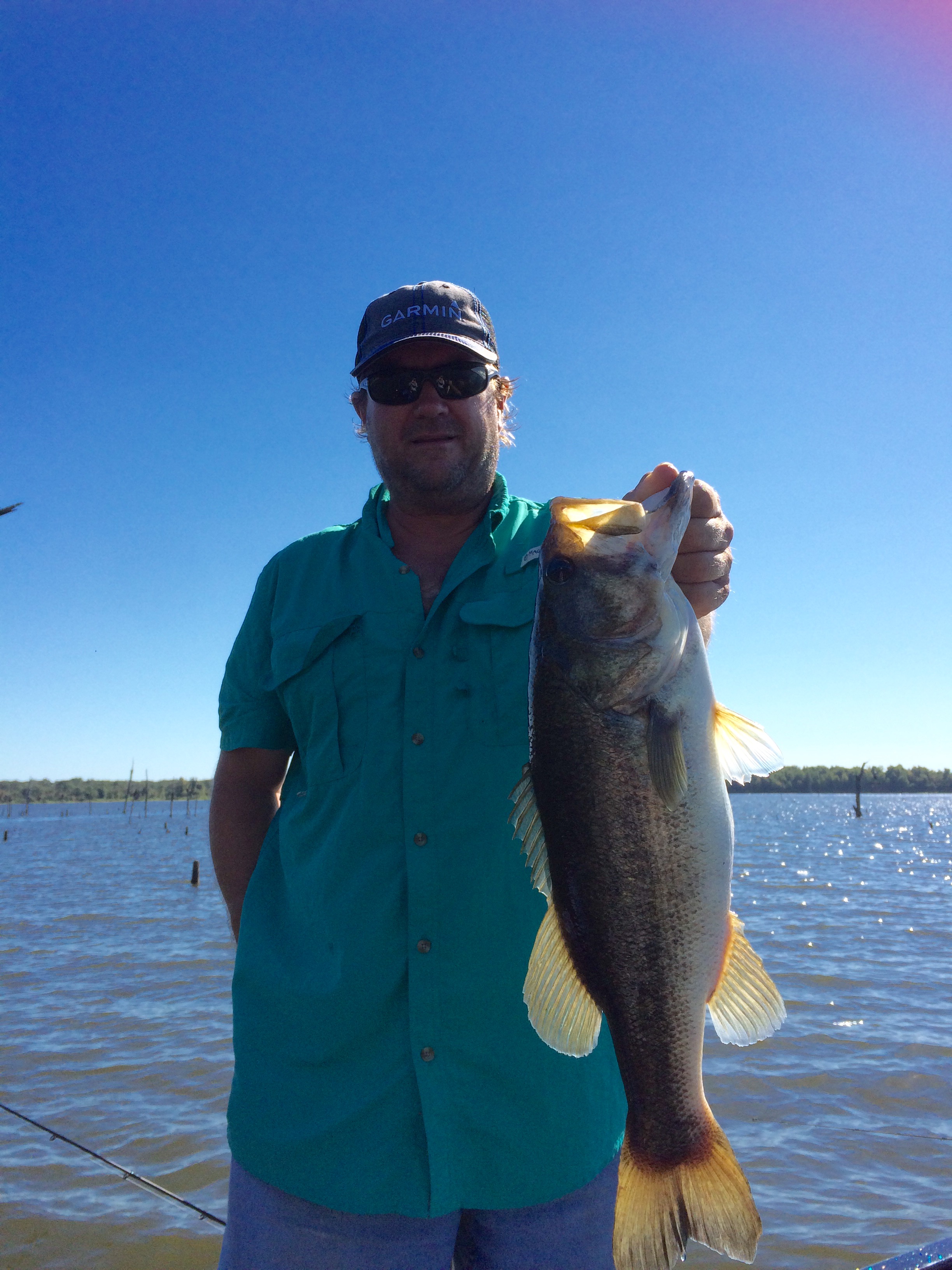
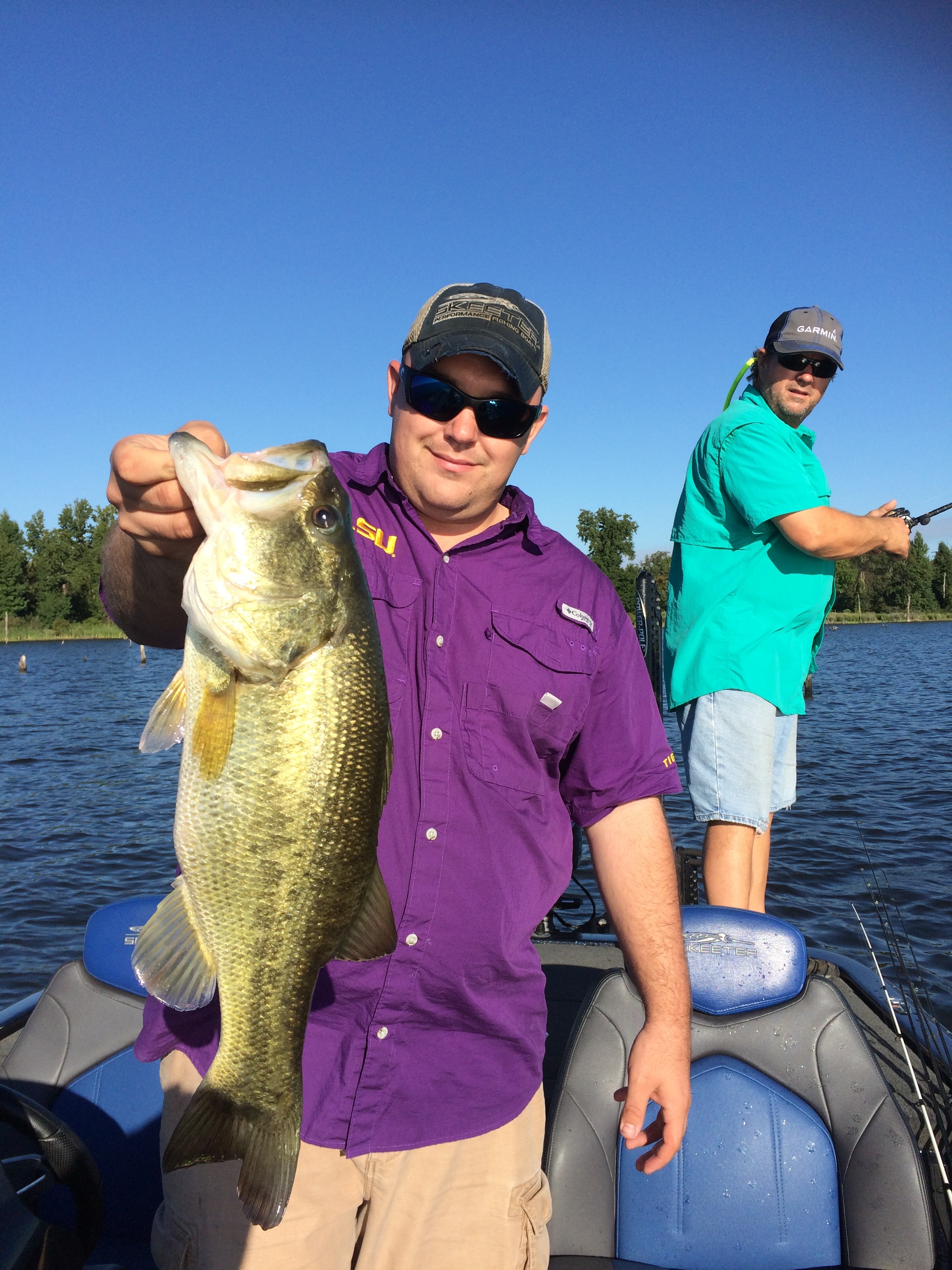
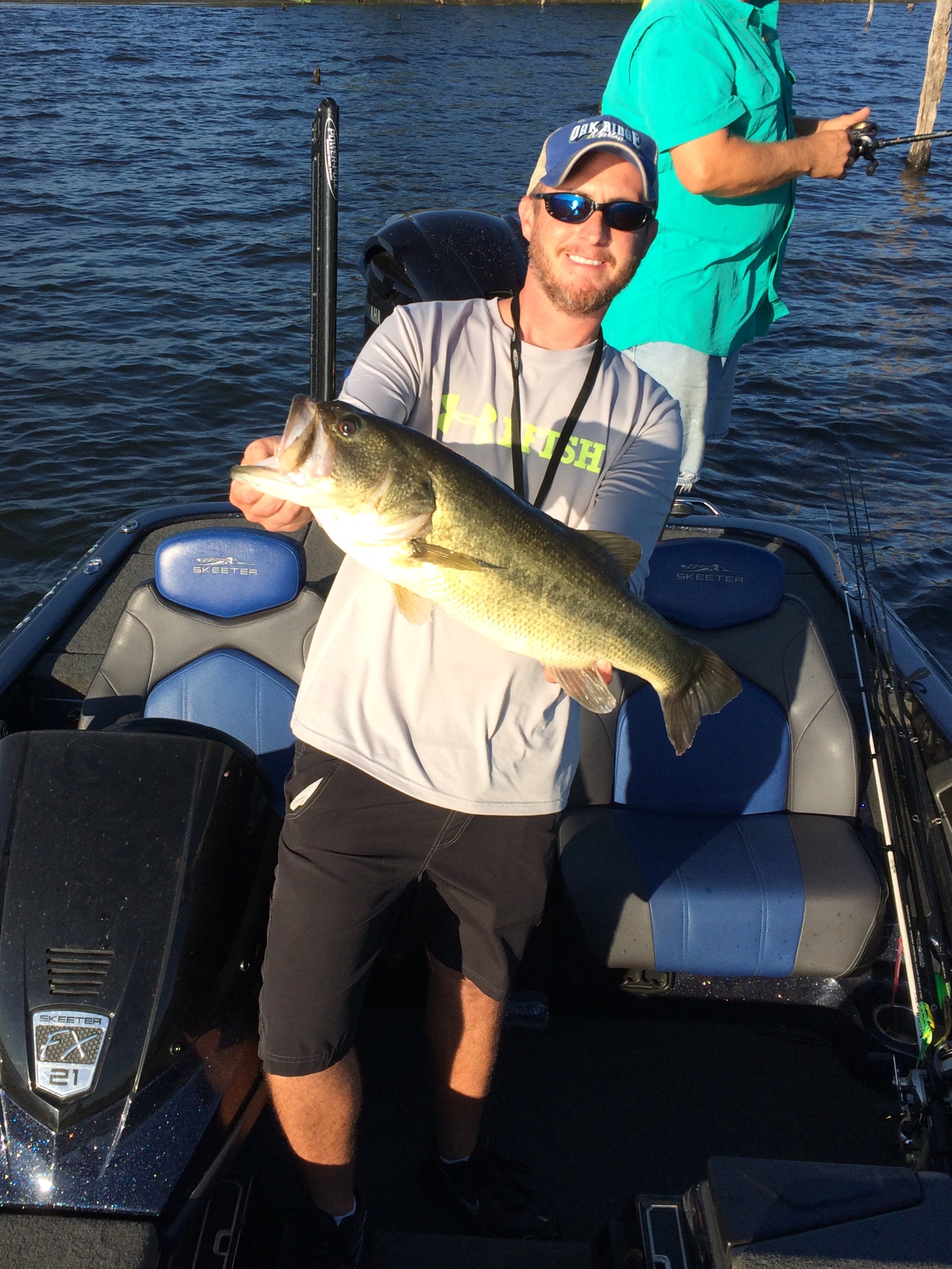
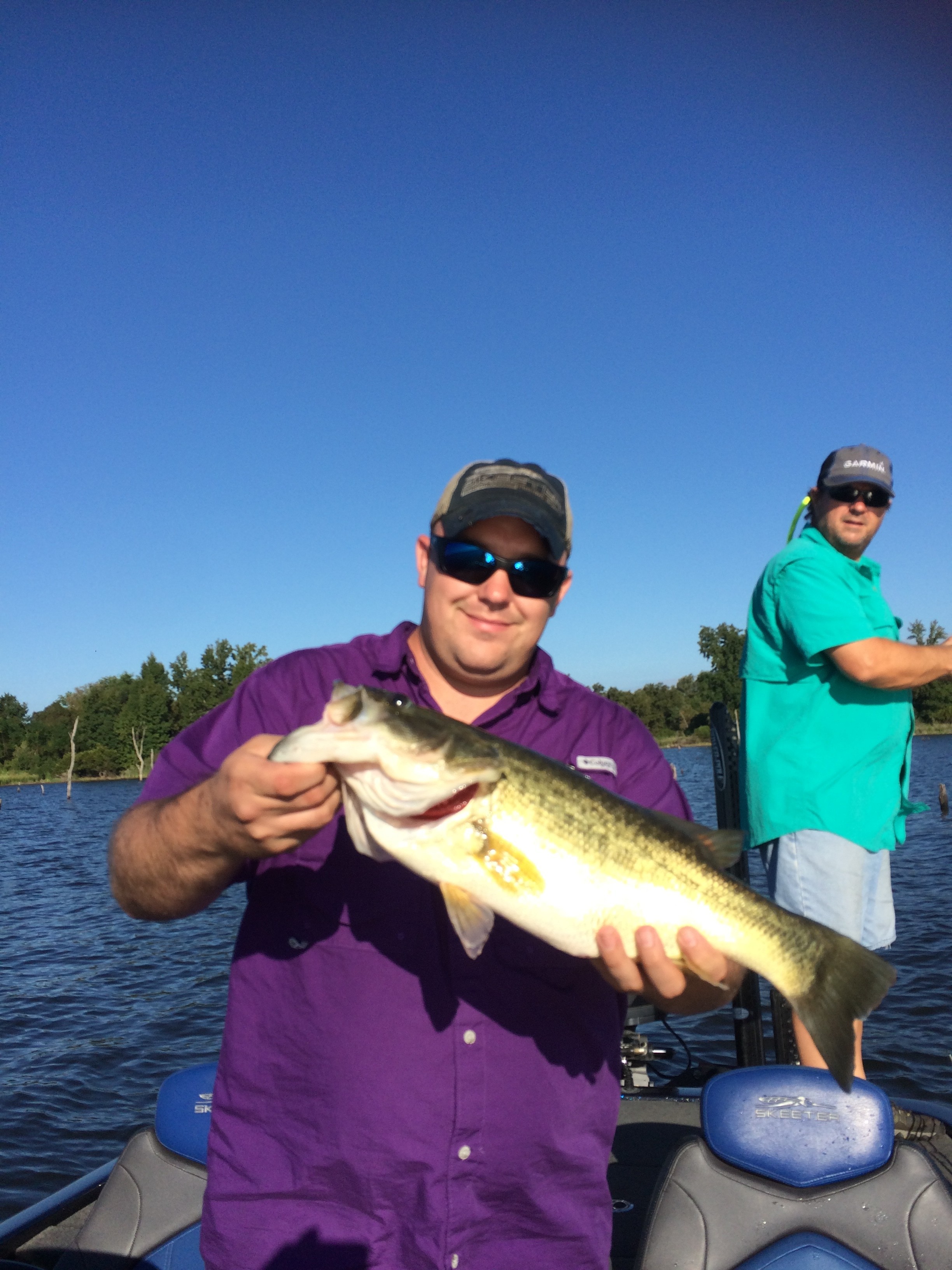
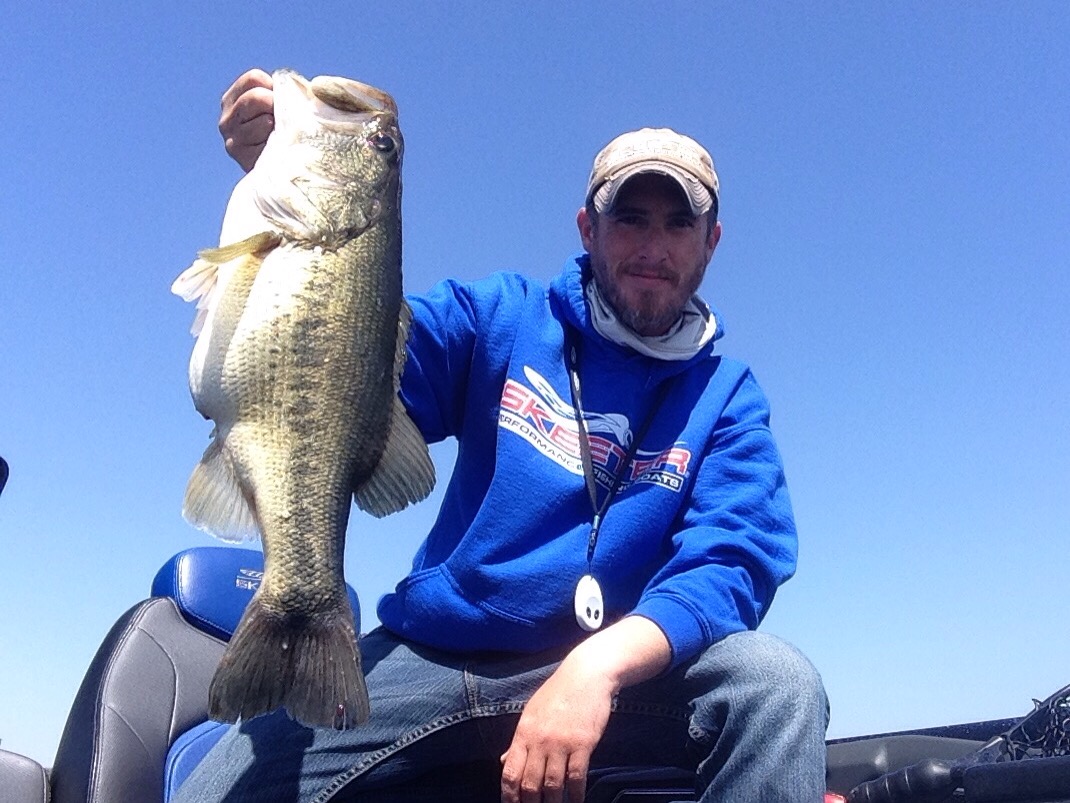
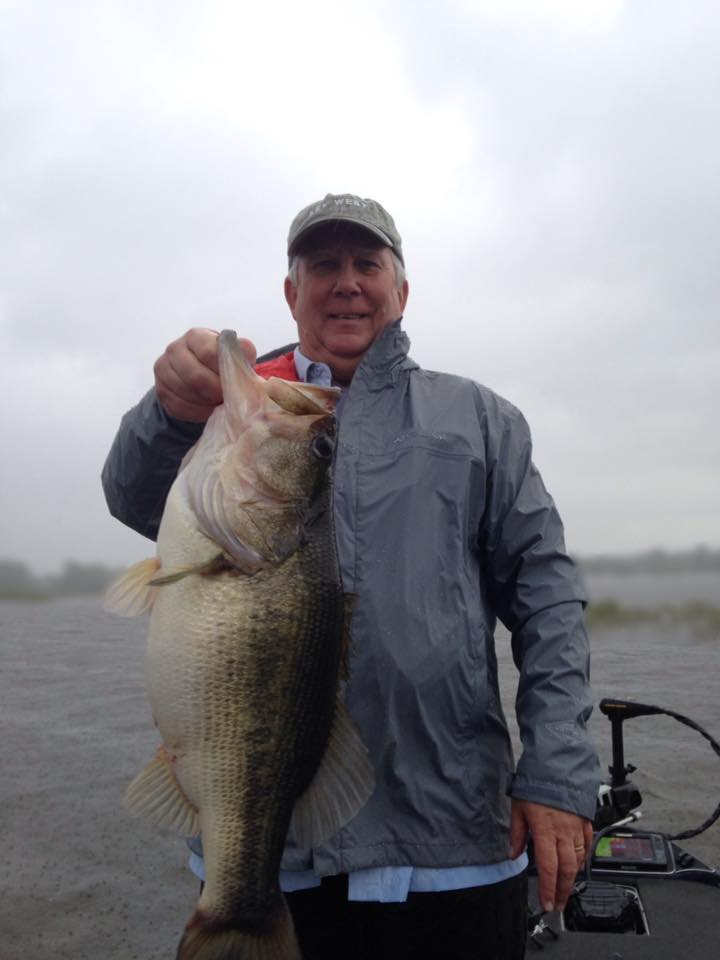
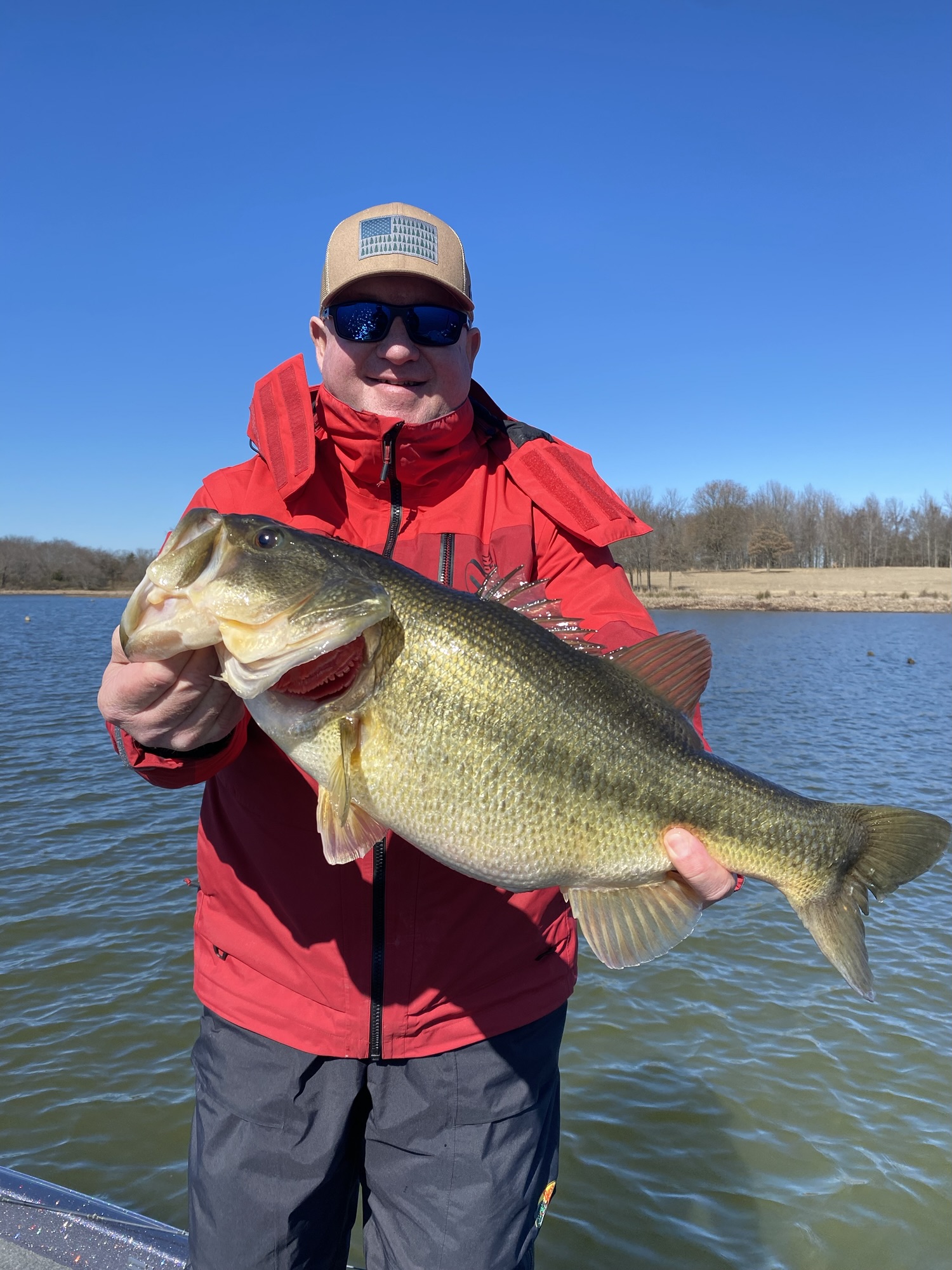
Here are some catches from the past two trips…