LAKE FORK GUIDE ANDREW GRILLS

Trophy bass fishing on world famous Lake Fork

Tag – texas bass

Lake Fork Report

Things have sure changed a lot here on Lake Fork over the past few weeks! If you’ve been watching the news, you know east Texas has gotten plenty of rain over the past two weeks. We haven’t had any issues here around the lake though. We received just enough rain to bring the level up nearly to full pool. Right now we are sitting at a few inches below full.

We got a big time cool down with the rain, breaking low temperature records for this time of year in our area as well. So that brought the water temperature down significantly. Mid 60’s around most of the lake.

There are plenty of fish shallow, for those who like that style of fishing. Topwater early, then light Texas rigs, small swimbaits, and jigs are working for the shallow fishermen I know. The drop shot will continue to produce as well.

There are some fish in deeper water as well. Look for fish out at the ends of points, on main lake humps, and pond dams. Road beds always get good in the fall as well. More finesse type presentations will do best this time of year. When the water really cools down near the end of the month, the bigger fish will start to show up with more regularity.

If I can be of any assistance on your upcoming trip, please don’t hesitate to contact me. Good luck out there. “In this was manifested the love of God toward us, because that God sent his only begotten Son into the world, that we might live through him.” I John 4:9

Lake Fork Report with Big Bass!

It’s hard to beat April fishing here on Lake Fork. I always look forward to this month because things start to get more consistent. The cold fronts are normally a little more spread out and the crowds aren’t quite as bad as the spring break crowds of March.

At the time of this report the water temperature is around 60 degrees. A couple cold fronts over the past few days have kept it a little lower. The water level is .31’ below full pool. We’ve had a lot of rain, but the powers that be have been keeping it a little below pool. The fish could use every inch of shoreline vegetation the lake has to offer during spawning season. 

The fishing has been great on some days and tough on others. We’ve had a lot of rain so far this year and the water level has fluctuated a good bit. When the water is rising or steady, all is well. When the level is dropping they seem to get stubborn. The muddy water, changing level, and cold fronts have kept us guides guessing. A couple days of stability usually rings the dinner bell.

This month is always a great shallow water month. We all love topwater fishing and there’s probably not a better time to do it. Shallow crankbaits and small to midsize swimbaits are big players as well. The key is covering water until you find them. Once you locate some fish, they’ll probably hang out there a few days. Timing is important as well.

Hopefully this helps point you in the right direction on your next trip to Lake Fork. If I can be of any assistance on your upcoming trip please don’t hesitate to contact me.

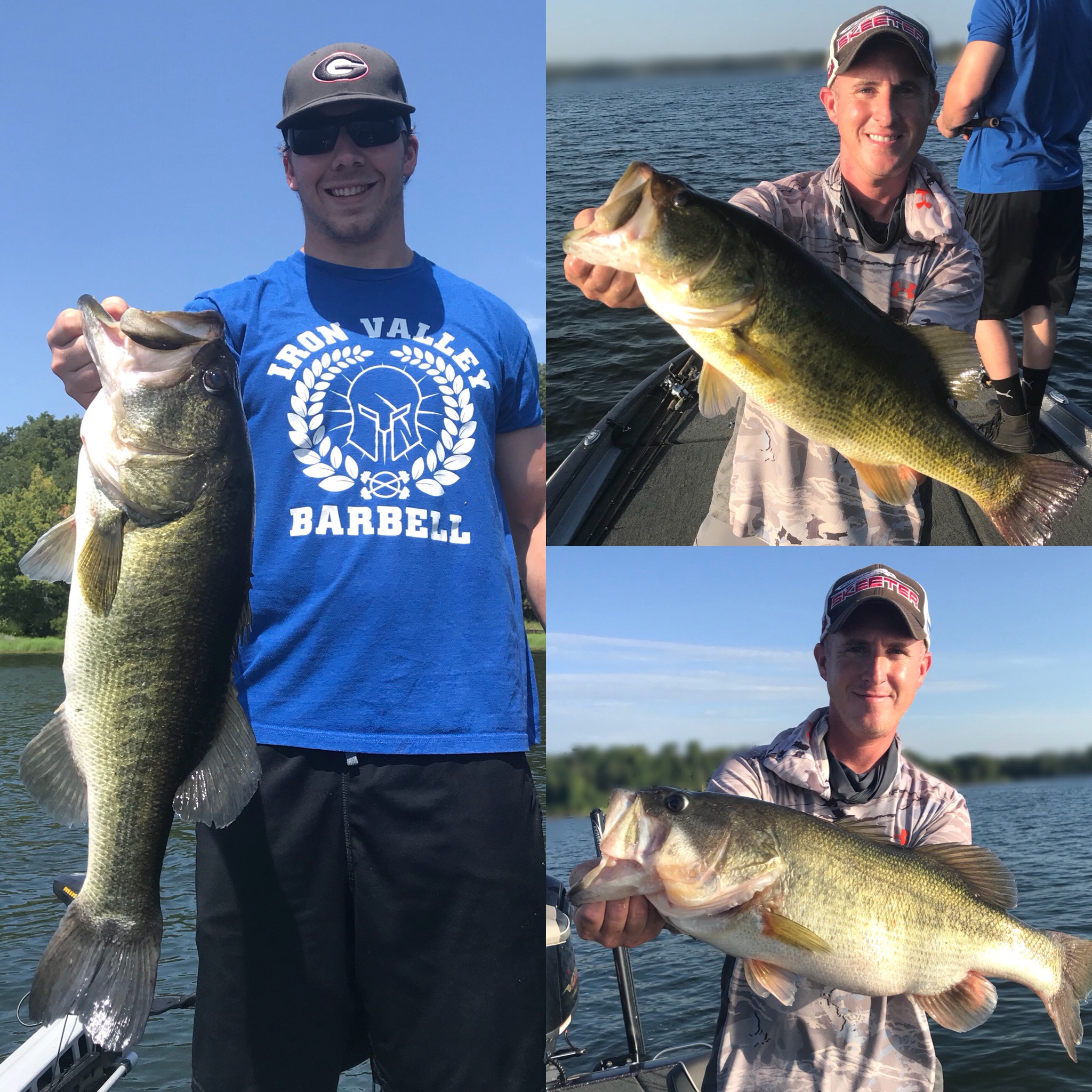
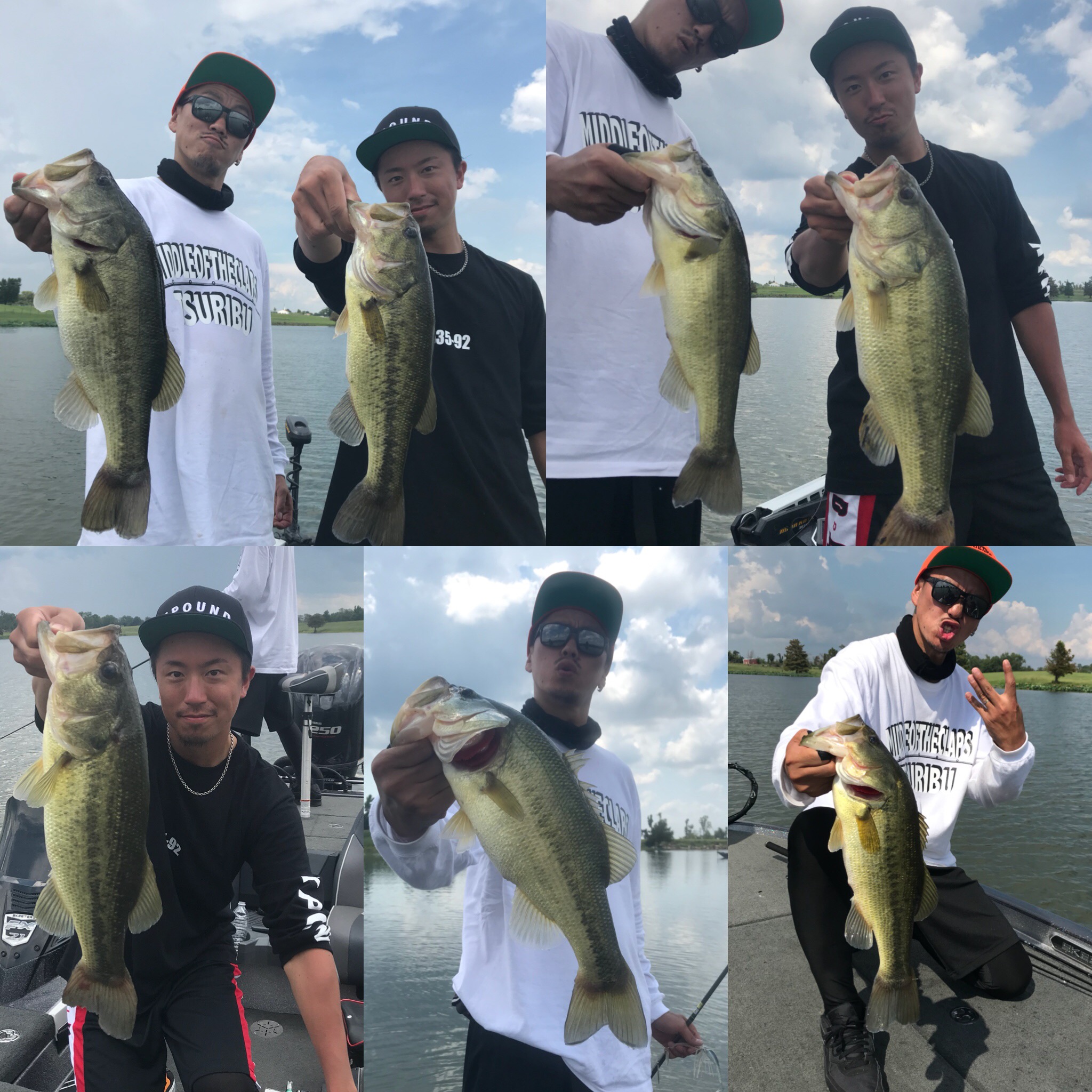
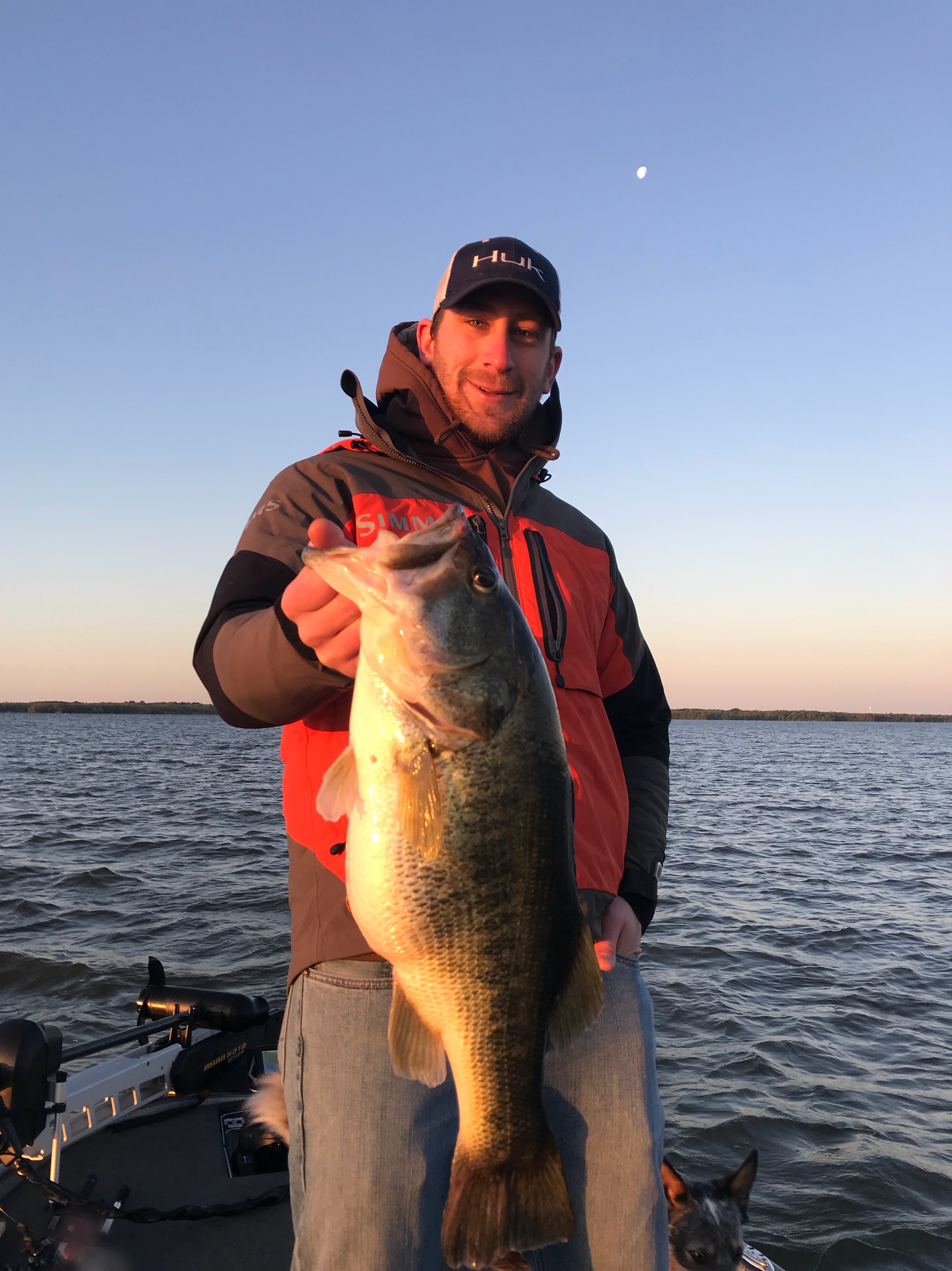
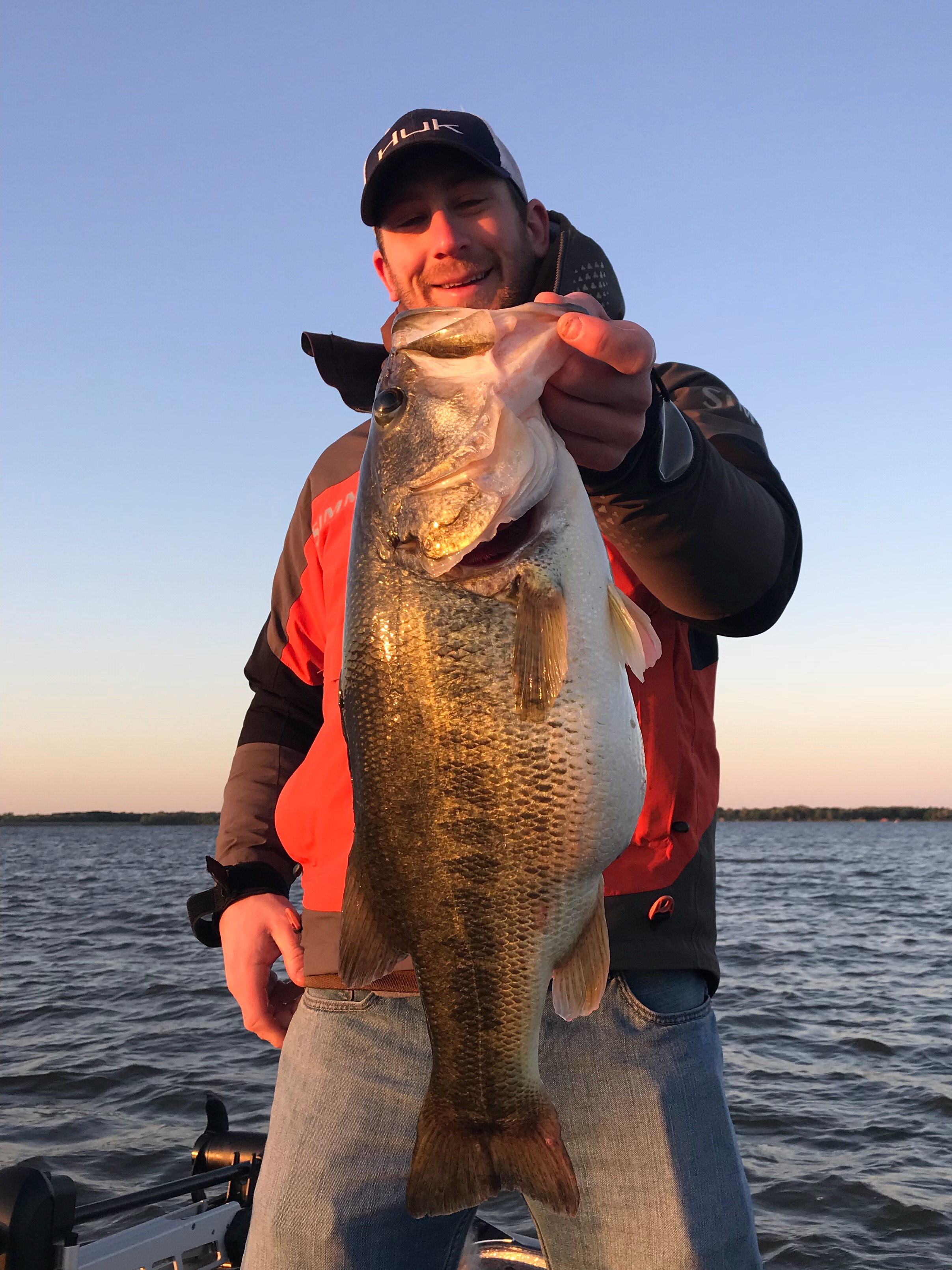
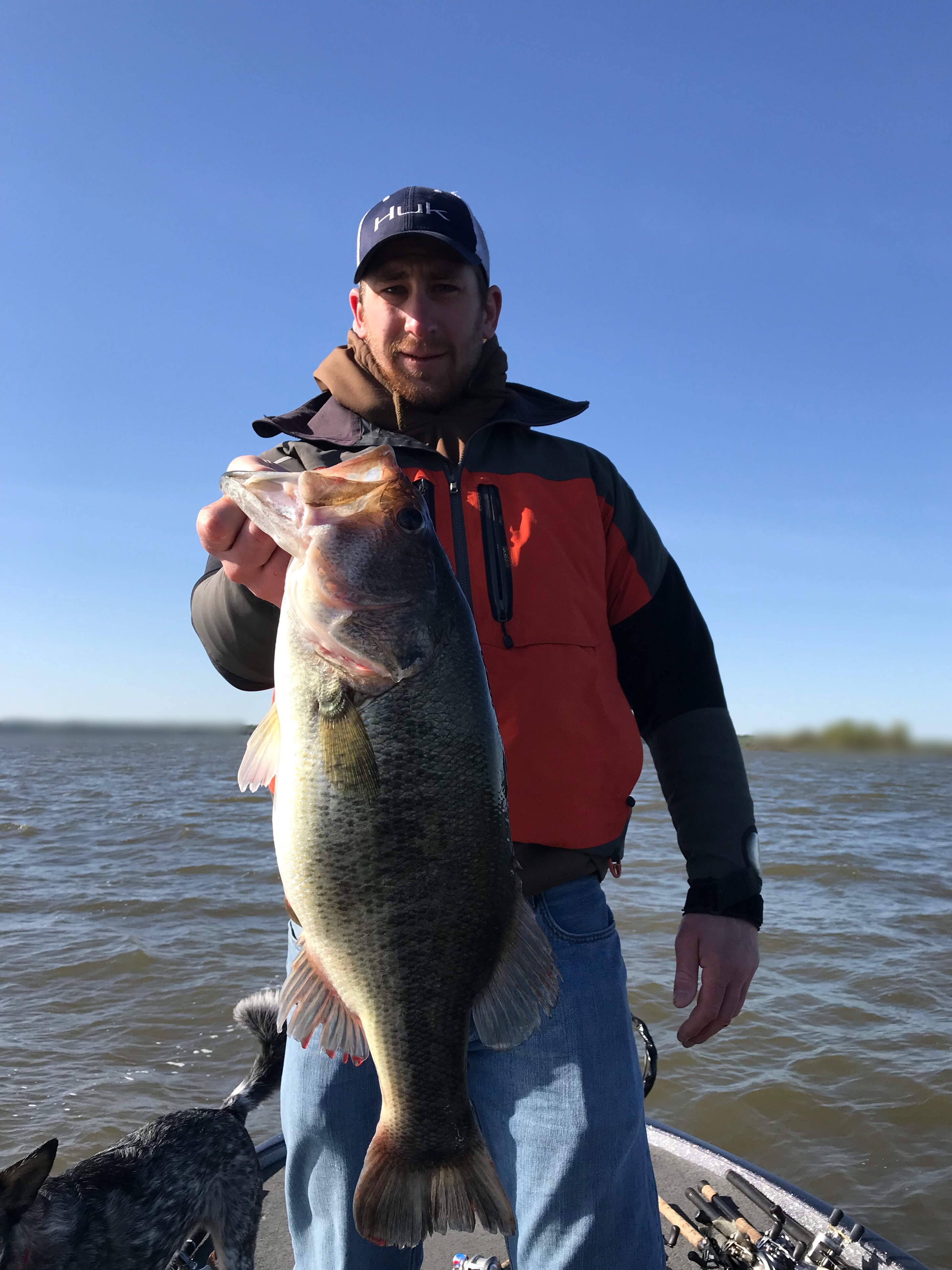
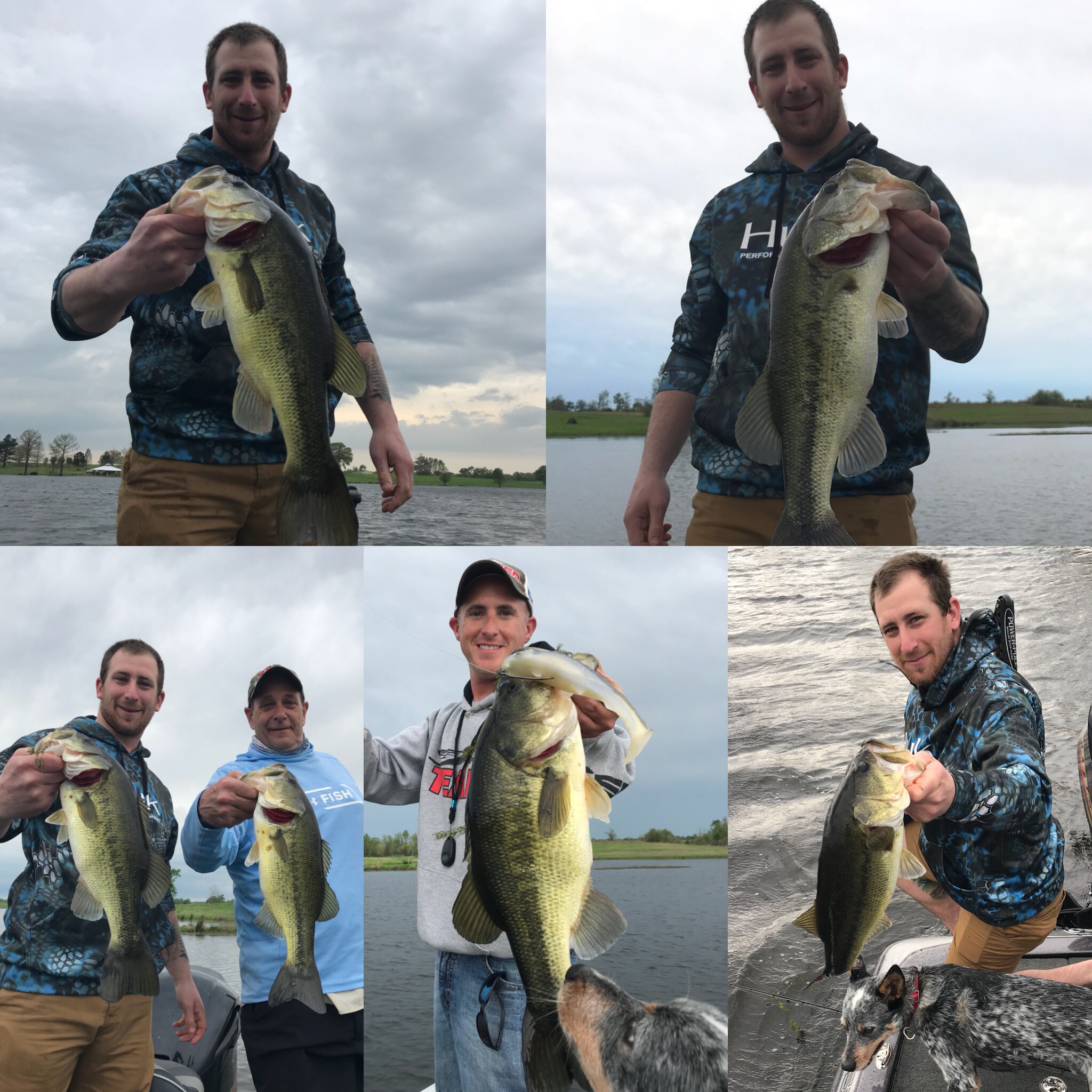
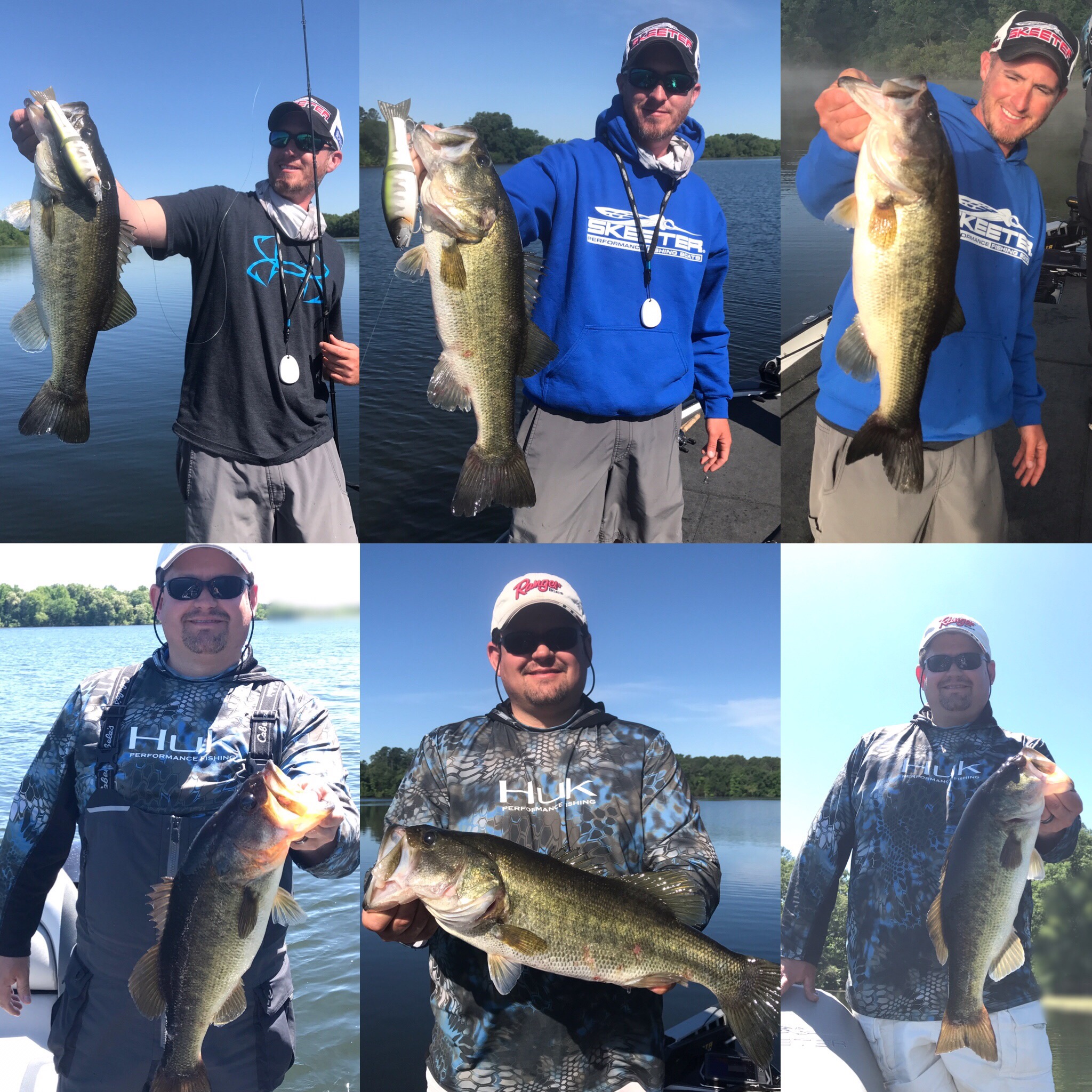
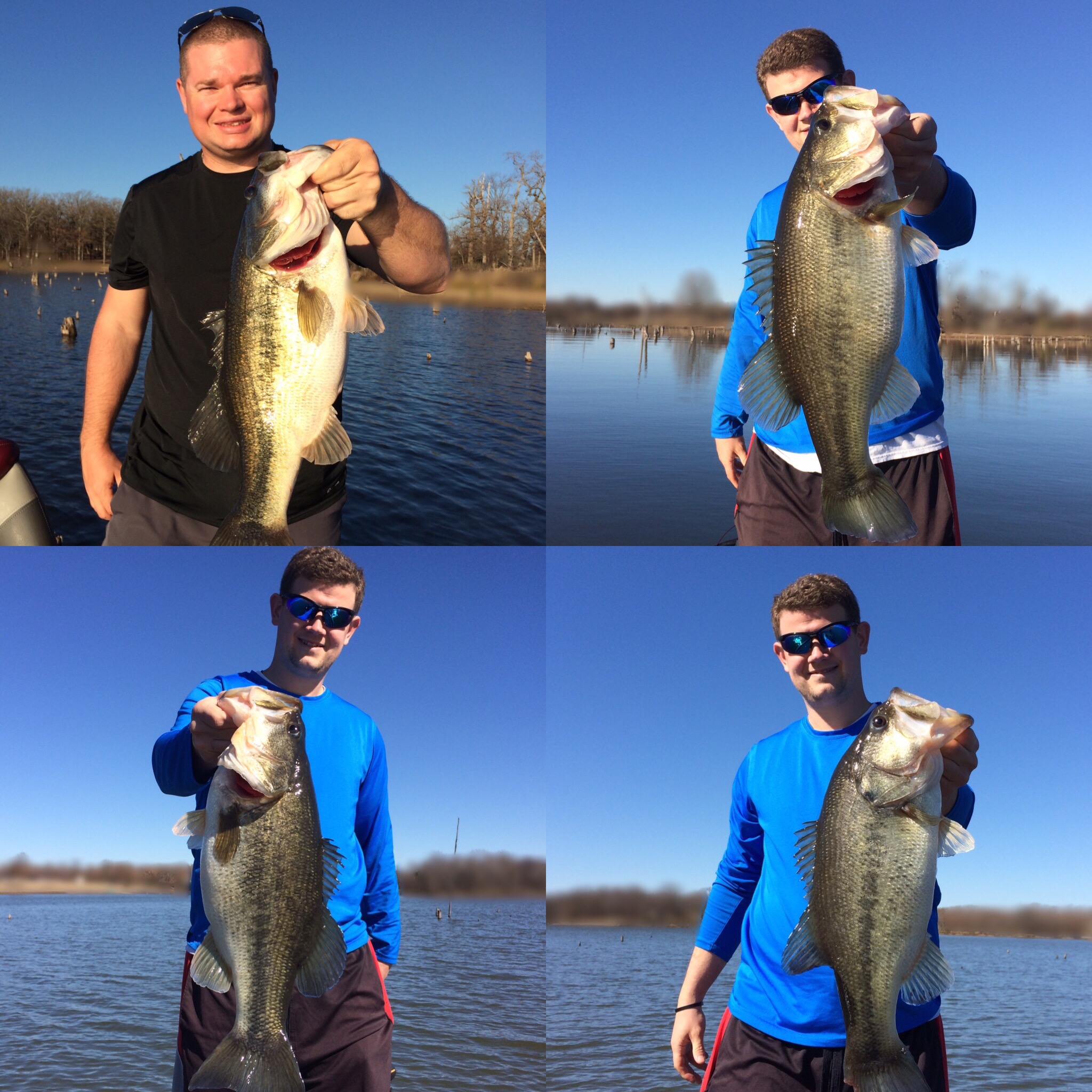
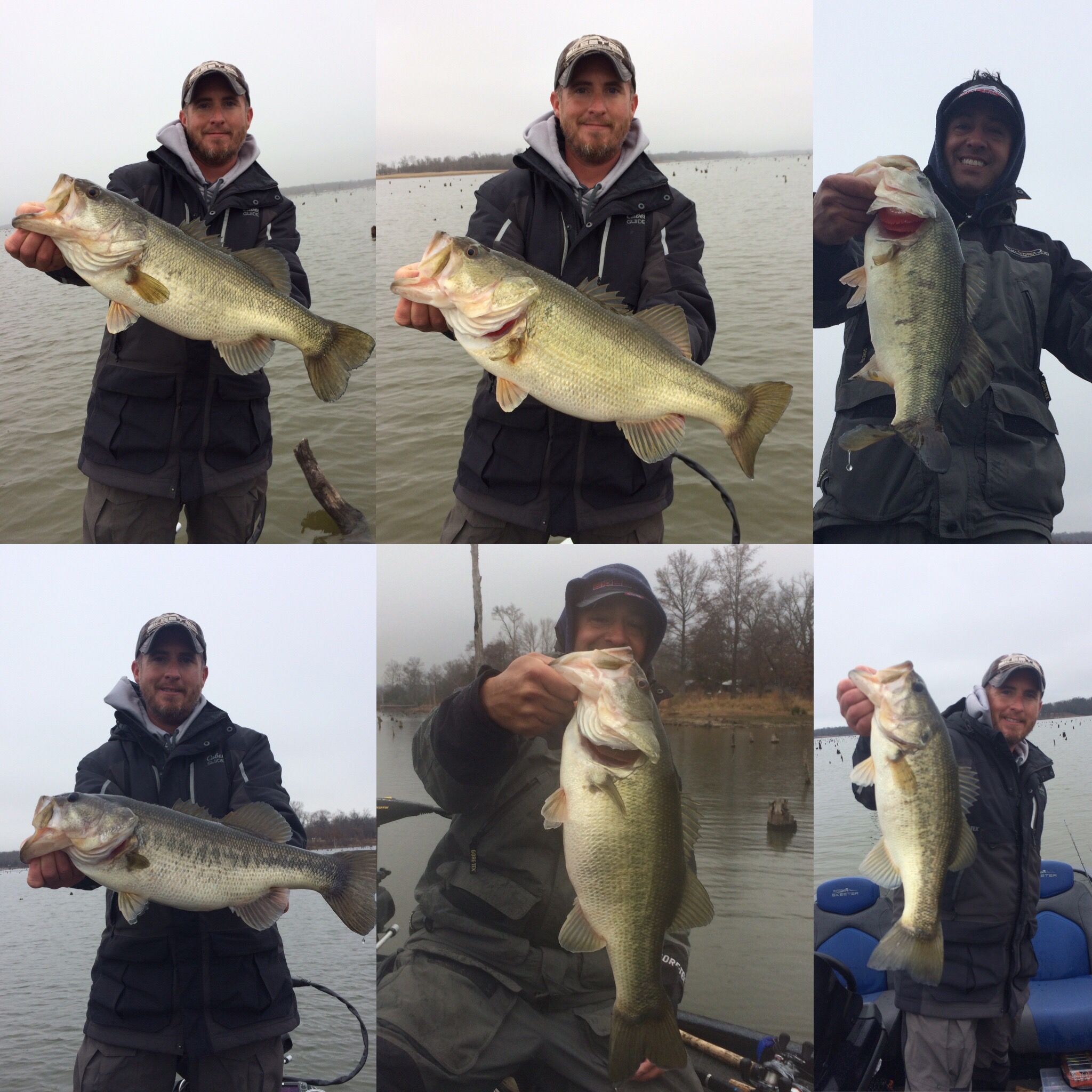
These are from our most recent trip with return customers Brett and Tyler! I have a lot of pictures to post, but not enough time for now. These will have to do. I don’t usually post duplicates of the same fish but that first one sure was fat. So, the first two picture are both of one fish.

img_6416img_6419img_6417img_6350img_6418

d41144c3-872a-4d13-b749-506f236335bf

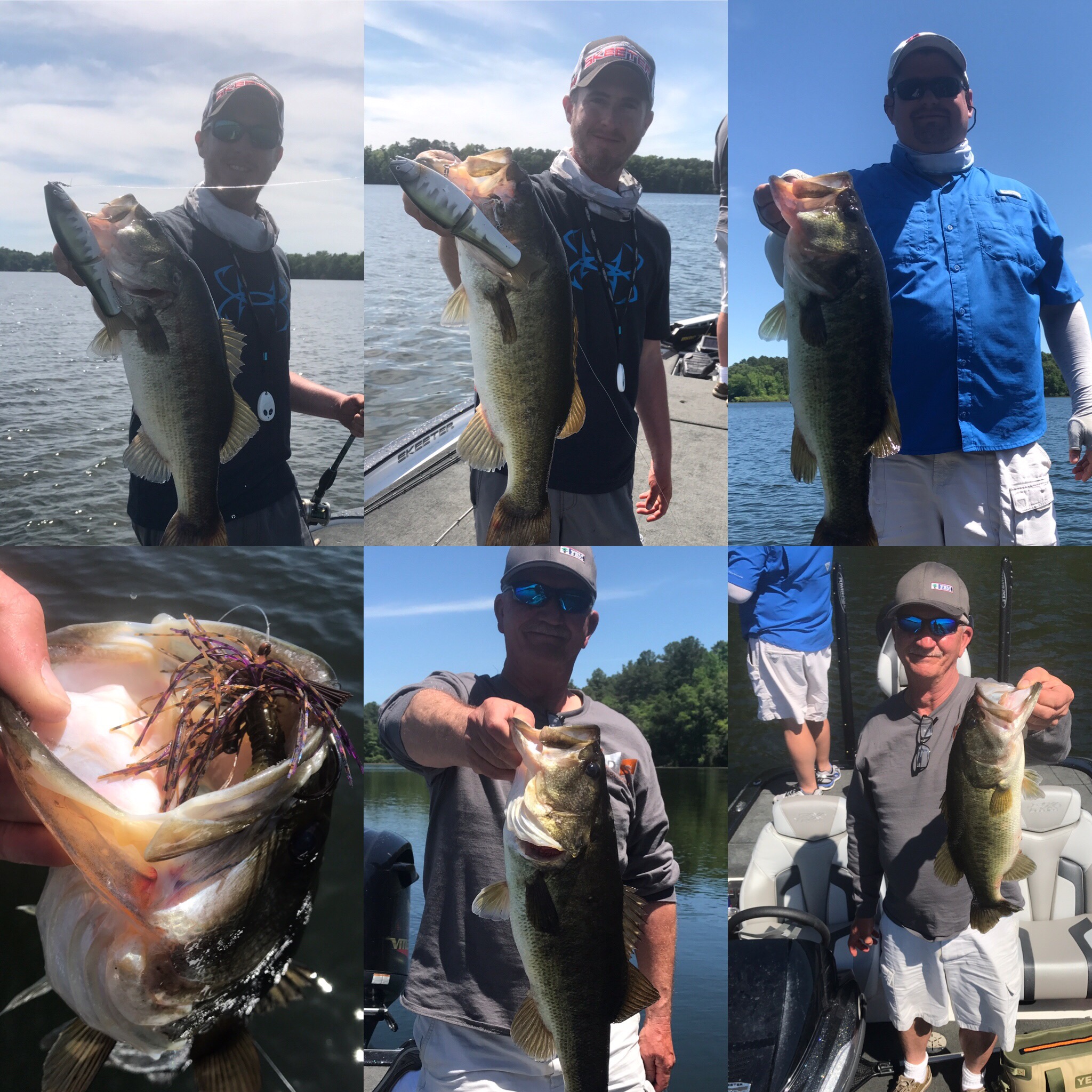
Brian and Kayla put it on them too!

img_6327

Fishing the Santone M-Series Jig on Lake Fork

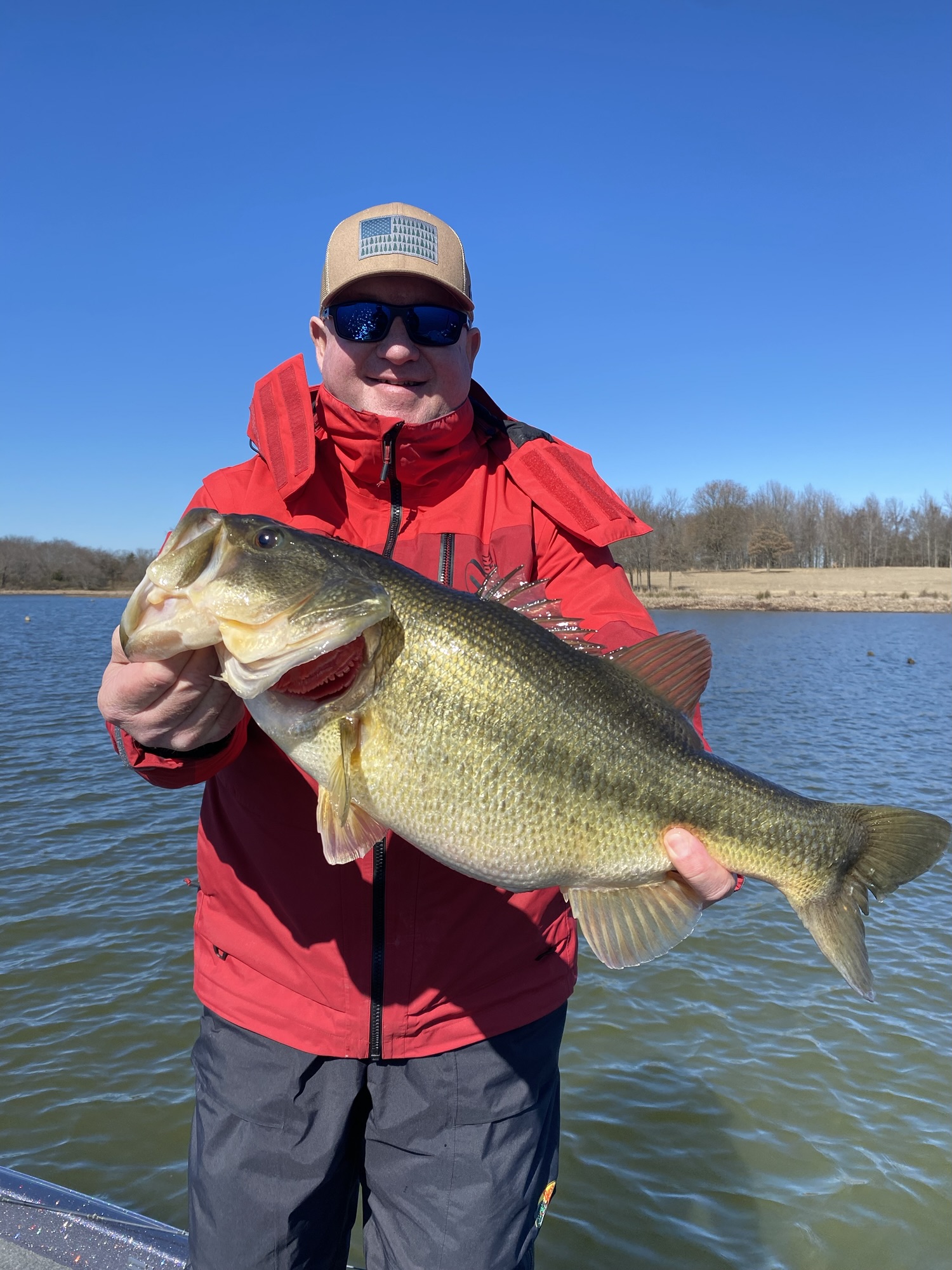
The leaves are falling and so is the water temperature! That gets me excited, because the cool months are my favorite for big bass. The Santone M-Series jig is a top producer for me in cold water.


I’d like to share when, where, and how I fish the M-Series. These factors are extraordinarily important when jig fishing, especially on Lake Fork. The vast amount of standing timber can make it seem like searching for a needle in a haystack. There are also times to put the jig down and opt for a different approach. My goal is to help you narrow it down and simplify what many find to be a difficult technique to learn.


In my opinion, fish seem to bite jigs best during the colder months leading up to the prespawn period. A football jig is a major player here throughout the summer and fall. however we are focusing on a traditional pitching jig for now. I usually check the jig bite in late October, but it doesn’t seem to become a viable pattern until mid-November. The early jig season is usually very productive because the fish aren’t seeing jigs go by on a daily basis and don’t seem as conditioned to the technique.


I continue to fish a jig regularly throughout most of March, but when the water warms and fish are comfortable venturing from ledges towards spawning areas the effectiveness of the technique seems to wane. An increase in fishing pressure may have something to do with it or it could be a transition in their primary forage base. I have had customers catch some really big fish later in the spring on jigs, however the numbers of bites are much lower and there seems to be better ways to catch them.


As for determining where to fish a jig, I try to imagine the lake has zero standing timber and look for structure bass should be relating to in the winter and early spring. The stumps are just a bonus as cover. Fish use areas such as points, secondary points, and creek channels as they stage on their way to bedding areas. They then use the stumps as cover for safety and ambush of prey, but keep in mind they are there because of bottom contour, not cover.


I find that sharp breaks are most productive throughout the cold periods. Bass seem to want to be close to deeper water as cold fronts are passing through on a regular basis during the winter. You will find this on the edges of points and secondary points, but most importantly along the creek channels. Creek channels are highways for the bass and baitfish as they travel to their springtime haunts, and they provide deep water access as well. Ditches and drains are just as important to pay attention to. Any area with a low spot where water would run to the original channel prior to impoundment is likely to hold some fish.


Often, the hardest channels to read are the best. We can usually look at the standing timber and get a good idea where the creek channel is. The gap in heavily timbered areas, leaning stumps (as leaning stumps often lean over the creek), and the presence of live oak stumps can help you identify the original creek channel. Live oaks are often the biggest stumps in a given area and grow near a water source. Built in maps or map chips on your depth finder can sometimes point you in the right direction, however they are rarely accurate as to the exact location of the channel. I also pay attention to where the trot lines and jug lines are set if I am in an unfamiliar area, as they can sometimes help lead you to the channel. Learning how a particular channel runs takes time and patience, but it is worth the effort.


Being near the creek channel, drain, or ditch isn’t enough. I have found that boat positioning is a critical factor in success. I like to keep my boat in the deeper channel and cast to the top of the ledge and bring the jig back as it rolls over the tree roots descending down into the channel. If the low spot or channel is too narrow I will position the boat outside of the channel and cast across it, making sure to work down the outside bends. The outside bends often have the steepest ledge due to the original current flow prior to impoundment. I always get excited when fishing the outside of hard channel bends, as these seem to be prime big fish hangouts.


Creek channel fish can be in a wide range of depths. In any given creek, I believe there will be small wolf-packs of prespawn females staging in various areas along the way. Some may feel comfortable where the channel is 8′ deep and the top side of the ledge is 4-6′, and others may be in areas where the channel is as deep as 25′ closer to the mouth of the creek. The key is the ledge.


I feel that the presentation is a matter of confidence. Most anglers I have guided or fished with tend to fish a jig much faster and with more of a hopping motion than I do. I find that an extremely slow crawl works best for me. Even though I’m creeping the jig along, I still feel the bite is a reaction bite, in that most of my strikes come as the jig rolls over a root or branch. With the slow approach, it gives you the opportunity to sneak the jig up to the bass without it feeling or hearing it coming. Often, if I work through an area slowly garnering a few bites, I will go back through it with a more aggressive “stroking” type retrieve to see if I can pick up a few more reaction bites.


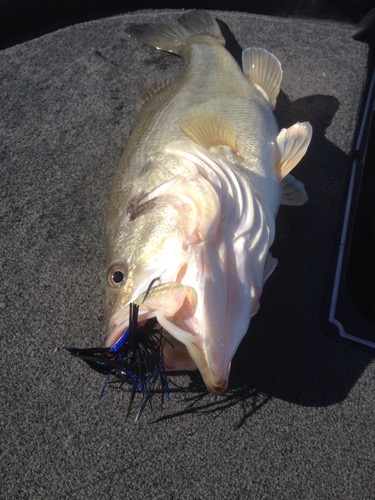
The M-Series is my favorite pitching style jig. The “arkie” style head design will hook fish right every time. Certain head designs naturally turn during the hookset. This results in poorly hooked fish. You don’t get too many bites jig fishing, so you don’t want to lose any. The M-Series solves that problem. Jigs are cheap, and I would make my own before I would use or promote a product I didn’t believe in.


Hopefully this information helps give you some confidence in jig fishing. Right now is a great time to catch a giant bass on a jig. As always, feel free to contact me if I can be of any assistance on your upcoming trip to Lake Fork.
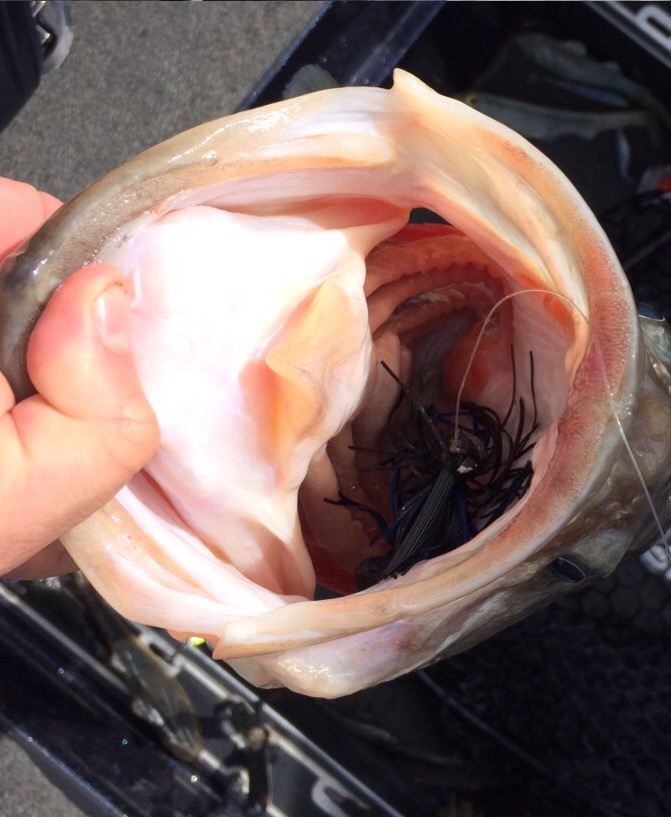
IMG_0102.JPGimg_5222

Deep Cranking Lake Fork Style

Summertime in Texas… Yep, it can get pretty hot. It doesn’t get much hotter than a midday deep cranking session. It’s the most physically strenuous technique in bass fishing. It may feel more like work than fishing. However, all is forgotten the moment you feel the head shake and a big bass has engulfed your crankbait. 

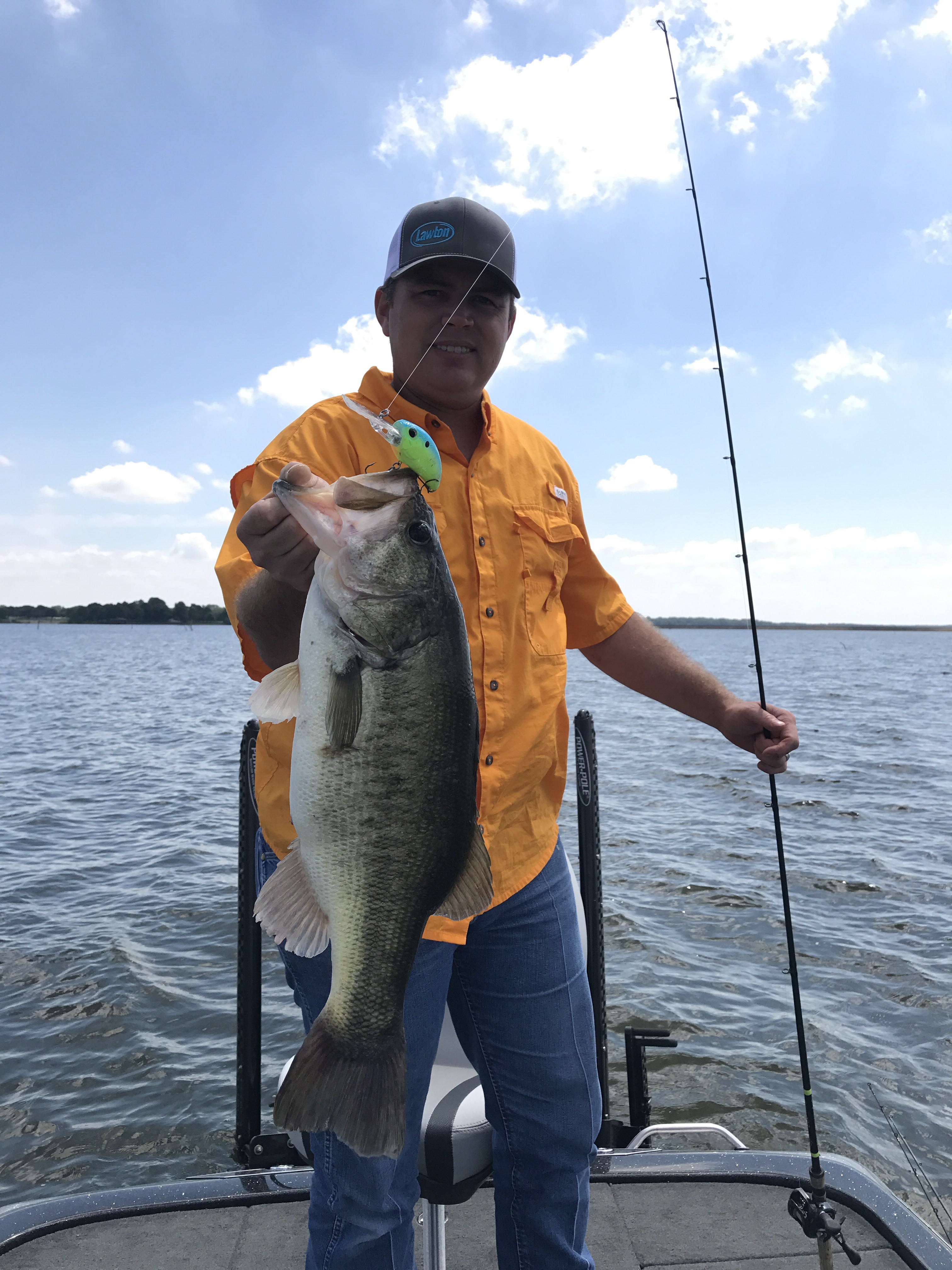
The fact of the matter is a deep diving crankbait has the power to trigger bites from bass that ignore other presentations, and it delivers big bites. This is why a deep-diving crankbait is one of the first tools I reach for in the summer for big fish. 

It’s no mystery to me why deep cranking produces big sacks of fish consistently. Bigger bass are often duped by a “reaction presentation” of some sort. Whether it’s a lipless bait ripping through grass, a heavy jig falling in front of their nose, or a crankbait careening through their hangout, big bass are fooled when they make a hasty decision. 

In deep cranking, there is always a “sweet spot”. It may be a rock or laydown log, but there is something down there that triggers a reaction when the crankbait deflects off of it. Often, it takes the perfect cast, at the perfect angle, to unlock an area’s true potential. When that precise spot and angle are pinpointed the crankbait can do things I believe nothing else will.

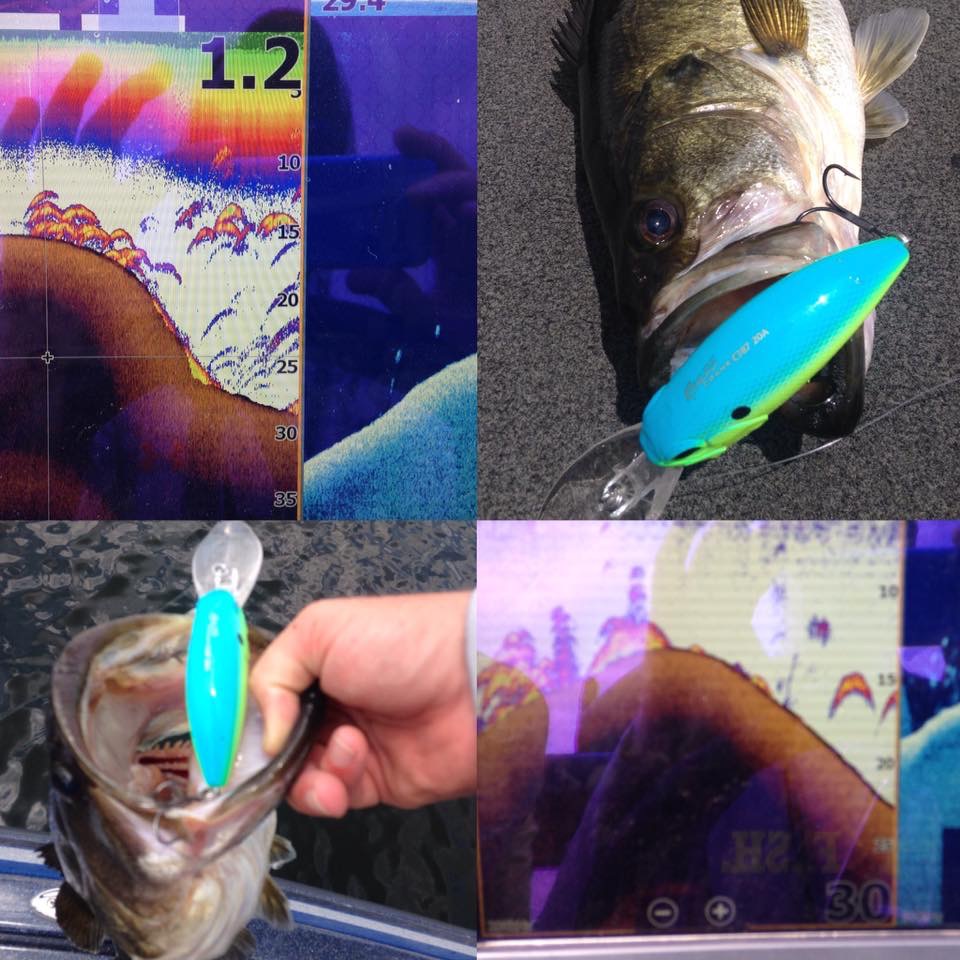
When approaching summertime fishing, we are looking at typical deep structure such as points, humps, and roadbeds. I rely on my graphs to tell me whether the fish are present. Once that is established, I like to make a few casts with a crankbait to try and “fire up” the school. Getting that first bite can lead to triggering a frenzy of activity. I find that I get more bites paralleling the structure with the crankbait, as opposed to casting from deep to shallow or vice versa. 

I never throw a crankbait if I can’t reach the bottom with one, or make contact with some form of cover. For instance, we will occasionally see bass suspended in tree tops that are well beneath the surface. Even if I’m in 35 feet of water, if the top of that tree is in a crankable depth I will still try to hit the branches with my crankbait. Nearly every bite I can recall that I’ve had cranking has been while my lure is making contact with something. Therefore, if the fish are suspended and I can’t bang the crankbait against something near them, there are probably better lure choices.

When I do hit something with my crankbait, I like to hit it hard. I want to wake up whatever lives down there. That is why I use a 7.2:1 ratio, high-speed reel. I know that kind of goes against the old school logic of low geared, slow retrieve reels for deep cranking. Yes, using a lower speed ratio takes a little torque off of the forearm, but I feel like I get bigger bites with a fast retrieve. My typical retrieve is nearly as fast as I can turn the handle.

The perfect cranking reel for me is the Shimano Curado. I like it because it has a large spool capacity which is important for long casts. My favorite thing about the Curado is that it will cast a crankbait a mile. The biggest challenge in deep cranking is getting the lure out far enough to get it down to the desired depth. I pair the Curado with a G. Loomis Deep Flex Crankbait rod. I use the 7’5” heavy action. It’s a stout rod for cranking but has an incredible parabolic bend. This helps with casting as well as landing fish. I normally use 15lb fluorocarbon line, occasionally stepping down to 12lb test if I need to get a little deeper.

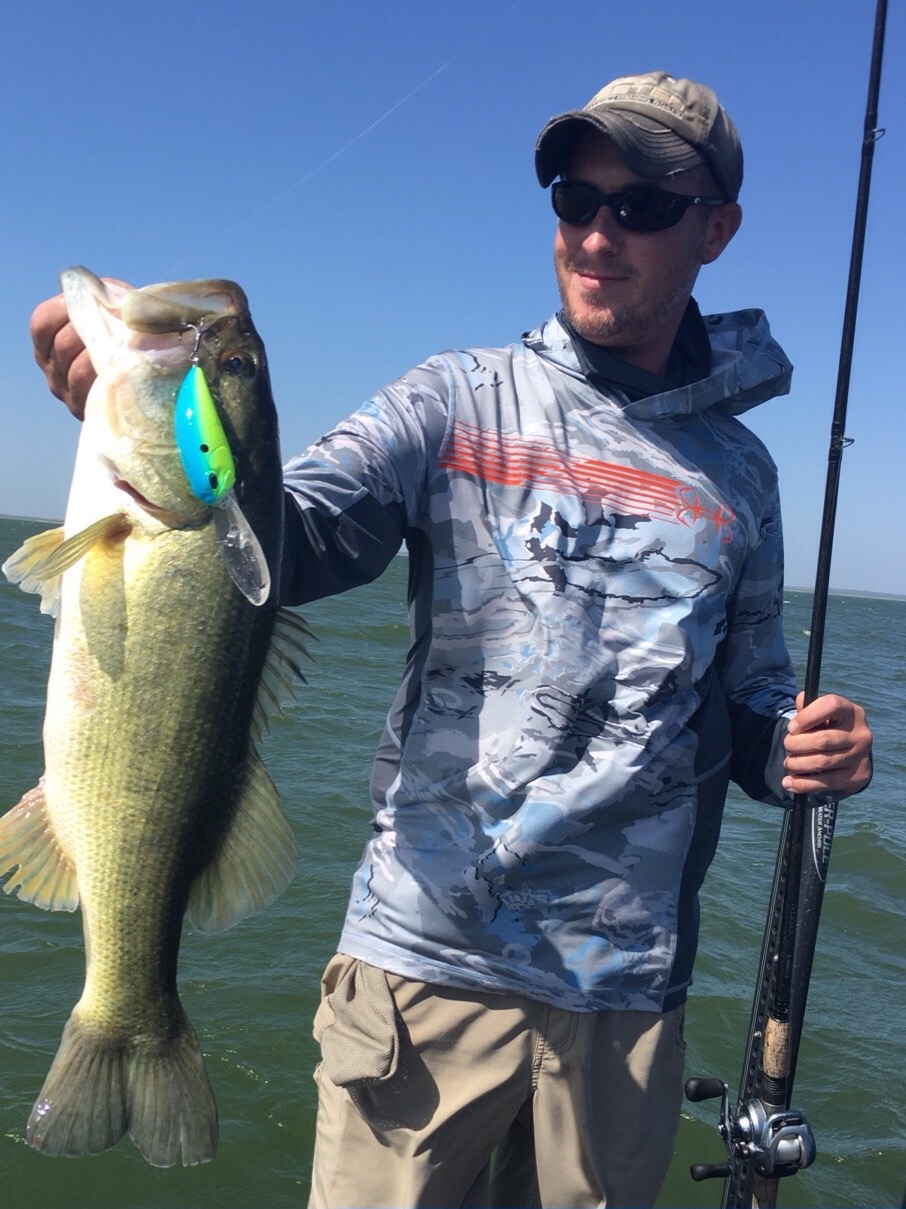
We have been fortunate over the past several years to have some important advancements in lure design available. Crankbaits are diving deeper than ever. There was a time hitting that 20′ depth was the Holy Grail of cranking. These days it’s not unusual to be digging bottom in 25′ or deeper with the right equipment. My deep crank of choice is the Duo Realis G87. There is a deep model (15A) and an extra deep model (20A). I honestly believe it’s a game changer when it comes to crankbaits. 

The G87 has a built in magnetic weight transfer system. I could go into detail about how it works, but I’ll just put it this way: I can cast it 30% further than any other crankbait on the market. It casts like a bullet, even into the wind. It gets down deeper with less effort as well. 

Next time you’ve marked a few fish, but can’t get them to bite the jig, carolina rig, or spoon, try knocking on their door with a crankbait. Sometimes I see my customers cringe when I break out the deep divers. Yes, it may seem too much like work to some, however it’s a valuable tool that definitely has a place in our pursuit of big bass.

img_3054img_2892-1img_3053

May 1 Lake Fork Report with Pictures!


May has arrived and the weather has continued to keep us guessing here on Lake Fork. Some heavy rains and the flood gates being open have kept our water level fluctuating over the past few weeks. The higher water couldn’t have come at better time for the fish. The flooded cover and new vegetation is the perfect protection for the newly hatched bass fry, and we will reap the benefits of this years spawn for years to come. This make 3 years in a row that we have had good protection for the hatch in the spring time. Lake Fork should continue to impress in the future!
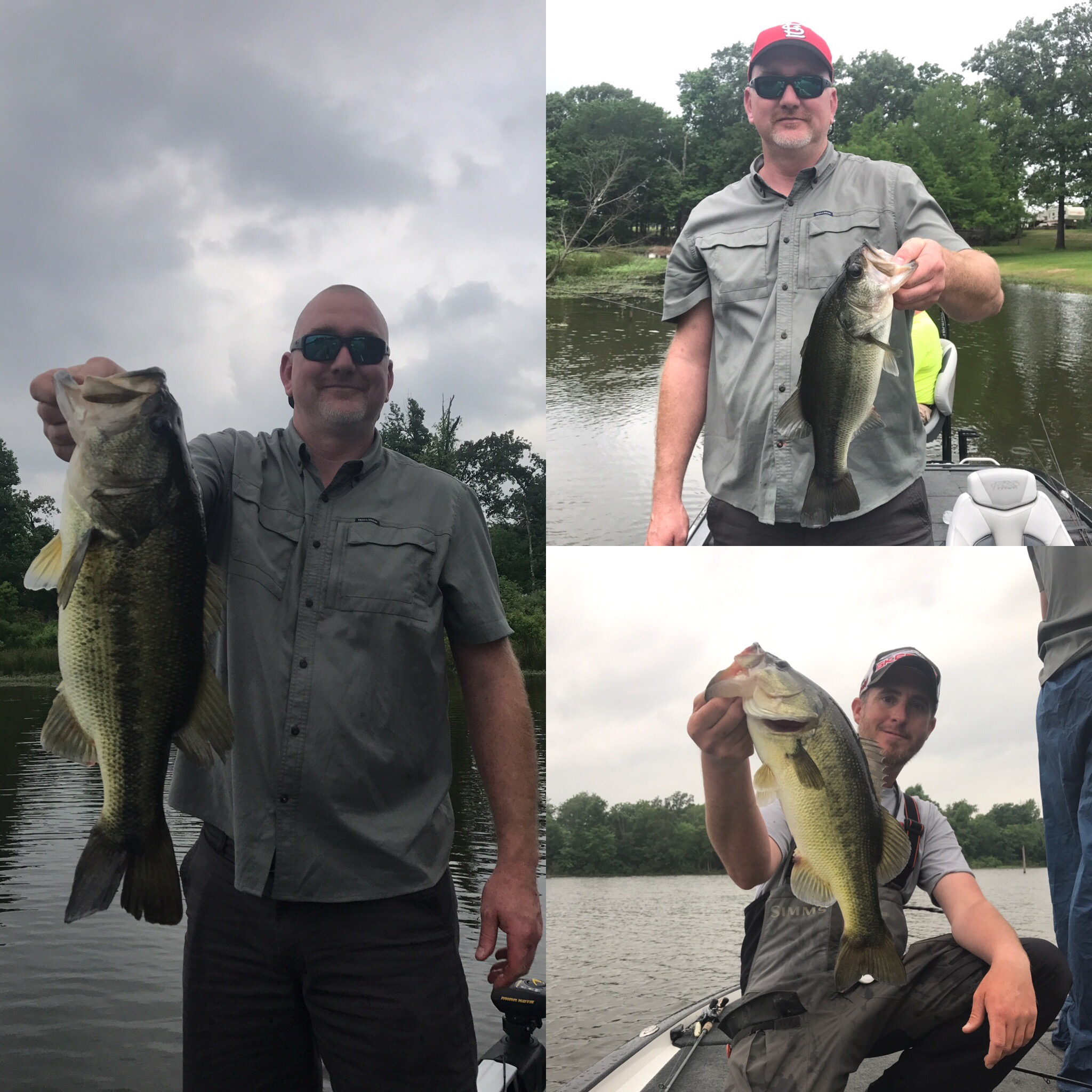
As for the fishing right now, it has been a challenge to keep up with the changing conditions. However, we have managed to have some great days on the water this past month. May is usually much more stable weather-wise, and I believe it will be a fantastic month of fishing.

The bass are finished spawning for the most part, and that means they’re hungry and actively feeding in recovery. The spawning ritual takes a lot out of them, so when they’re done licking their wounds they put the feed bag on so to speak. May is probably the best month to fish Lake Fork for consistency and numbers of quality fish.

There are many ways to potentially catch them throughout the month of May. I will be starting most of my mornings with topwaters. If there is wind or clouds, that bite could extend throughout the day. Afterwards, I will continue to fish shallow early in the month. Pitching texas rigs, carolina rigs, and swimbaits will be my first options.

I normally concentrate in areas where fish make pit stops on their migration from spawning areas back out to the main lake. Points and secondary points are the primary structure they use this time of year. As the month progresses, some fish will start showing up on deep offshore structure. There are already a few fish on some deep spots. This is when I use my electronics to find them.

When I’m targeting deep fish this month a Santone football jig will be my first choice. It produces so many quality fish for me, it’s my first recommendation for a big bite. Deep cranks, carolina rigs, and spoons are also going to be useful tools.

Hopefully this report gives you some ideas that will help you this month. If you need any assistance on your upcoming trip, please don’t hesitate to contact me.

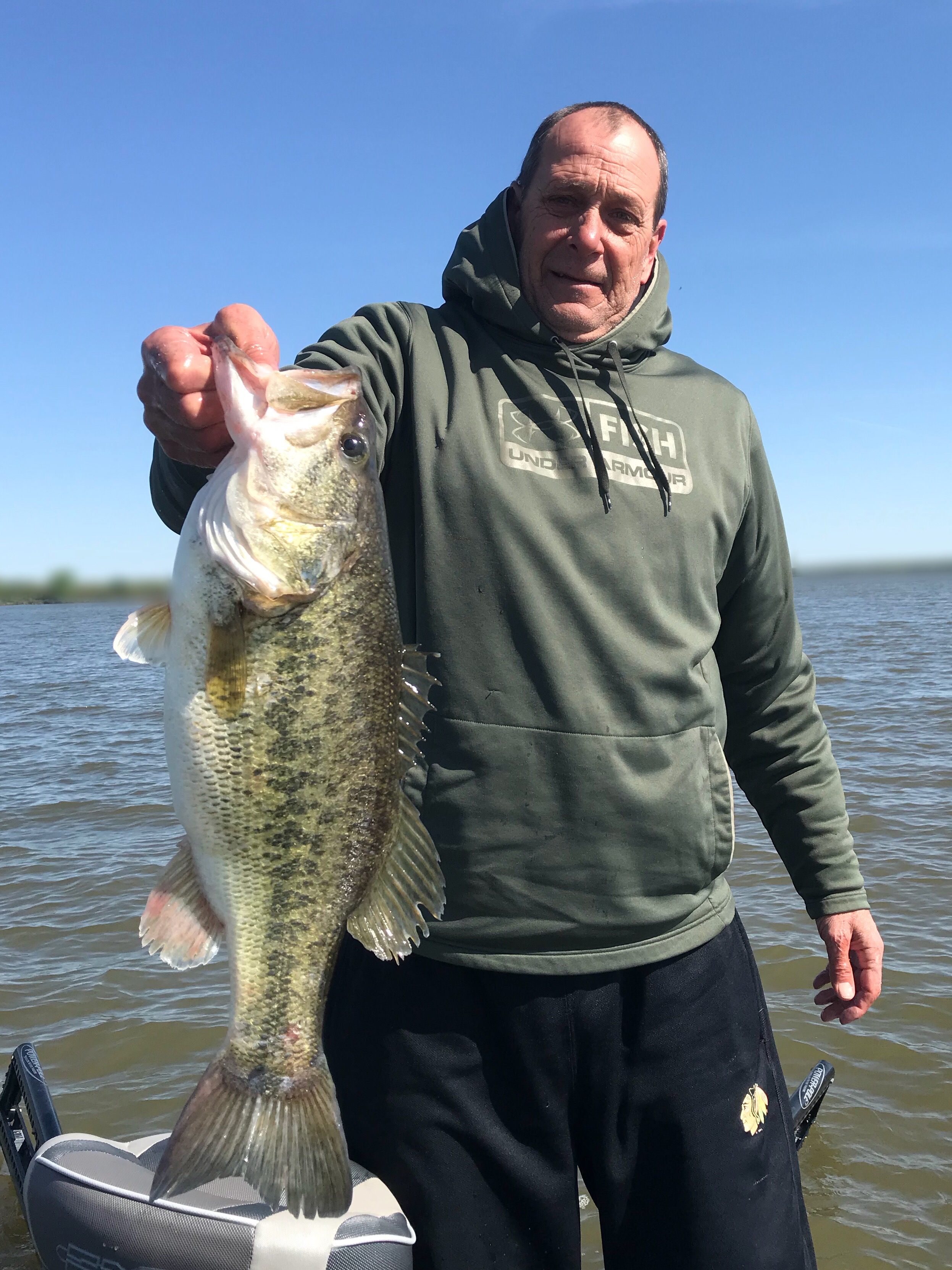
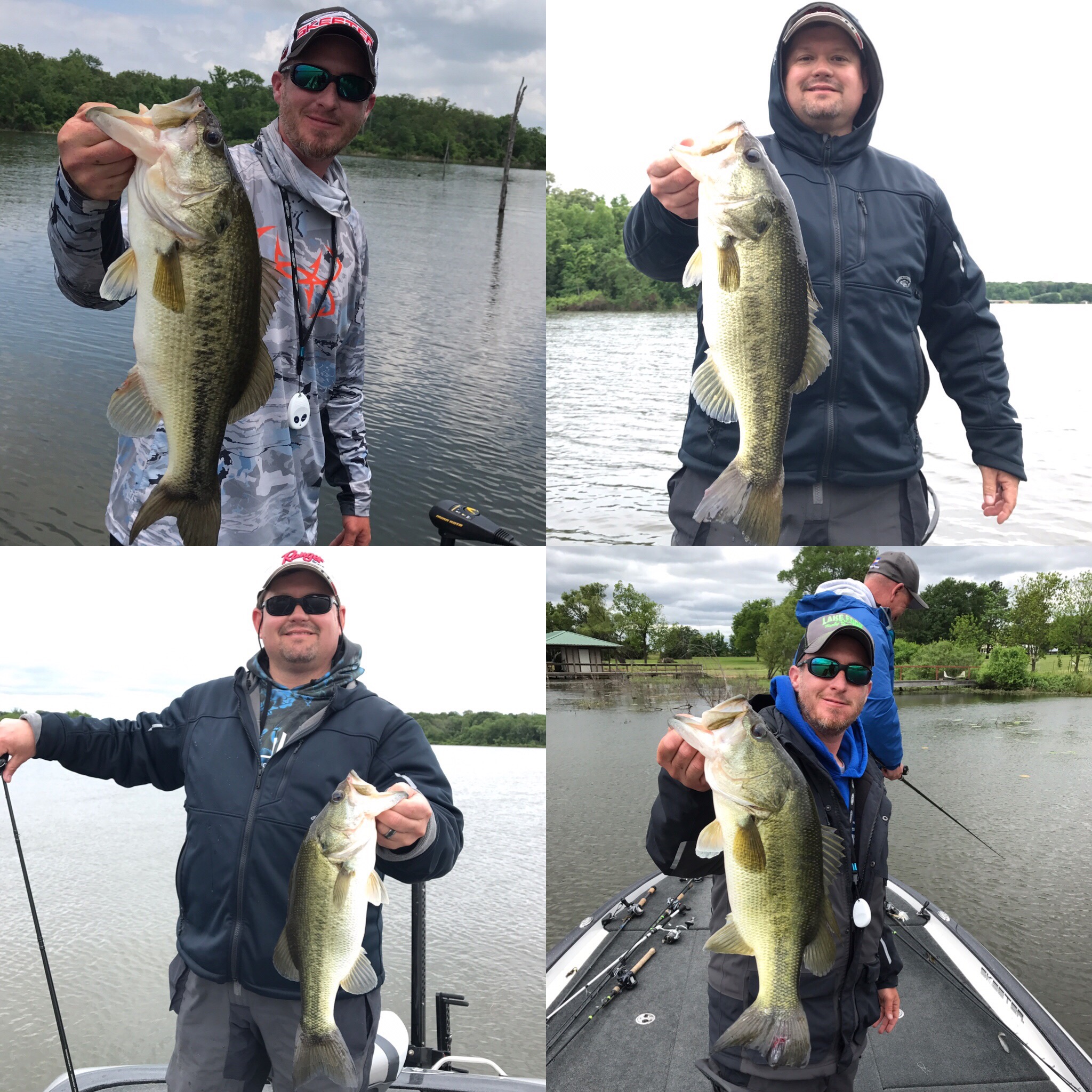
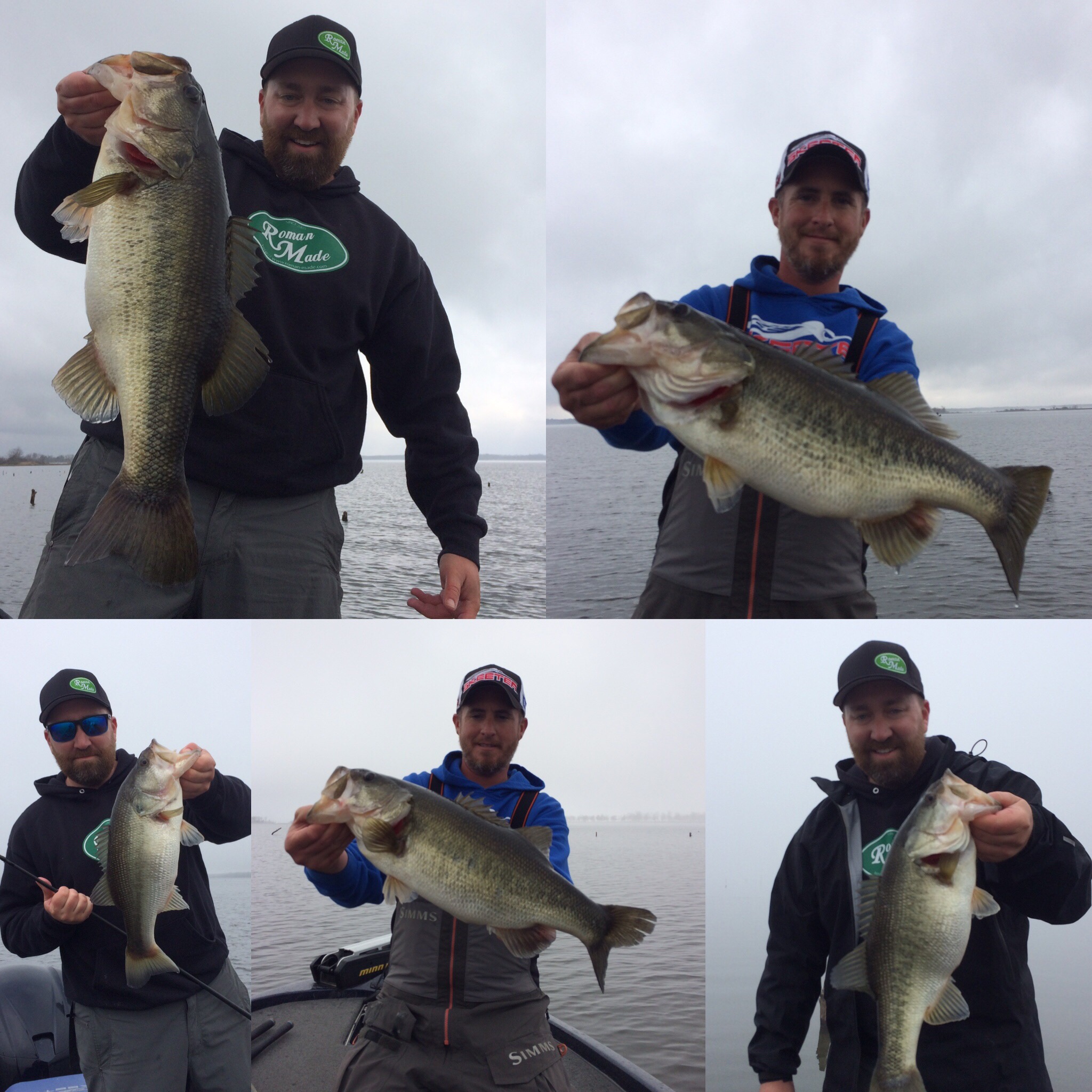
The following pictures are some highlights of our recent trips.

img_2402img_2403

2e52acbd-a912-4bec-8ddc-747cfa212d211d18dd31-8b16-4767-96c5-27ded0246d0b44d49fa9-b3e8-41c2-aca5-cbe594784864-1967715f0-6c72-406e-874b-fbe58024867b-1f18a140d-f816-453c-bada-3f6941d5f232-1904ab93f-9649-436d-940b-73f96dc606ad-1d142b676-c28f-40d0-9d95-bcb1c90173ae-1acec196a-ee24-4d41-b371-d0b4ef3b65ae-1da3234b1-a7e0-413f-96f2-193bbf0f83789a8e02cf-5e44-4679-b92e-251f06bf1bb5

February 2017, Lake Fork Report with Big Bass Photos

February has arrived and things are looking great on Lake Fork! February is probably my favorite big fish month here. There are probably more double-digit sized bass caught during the month of March, but I believe that is only because more folks are out fishing. In February the boat traffic on the lake is still pretty light, and there is no other month when more fish are at their fattest!

Lake Fork looks good for now. The water level is 2.26′ below full pool. We had a significant amount of rainfall for January and that brought the lake up almost a foot. It made the fishing tough for a little while but things are getting back to normal now. The water temperature has stayed in the low to mid-50’s for a while now.

The fishing patterns are pretty typical for this time of year. Keep in mind that the fish in the upper ends of the major creeks and the northernmost part of the main lake will spawn the earliest. This is generally where your best numbers will be right now. I’m finding fish very shallow on warmer afternoons, and there are still a lot of fish staging on secondary points and creek channel ledges. Chatterbaits, lipless, crankbaits, and jigs are what I have on the deck for these fish.

From mid-lake to the there are bass on deep main lake structure, but most of these seem to be smaller. I’m finding my biggest fish in 8-14′ of water on points and break lines leading into areas where they will eventually spawn. Jigs and jerkbaits will work in these areas. Keep in mind, in clearer water, bass will suspend closer to the surface on a warmer day.

Hopefully you found some helpful information in this report. If I can be of any assistance on your next trip to Lake Fork, please don’t hesitate to contact me.


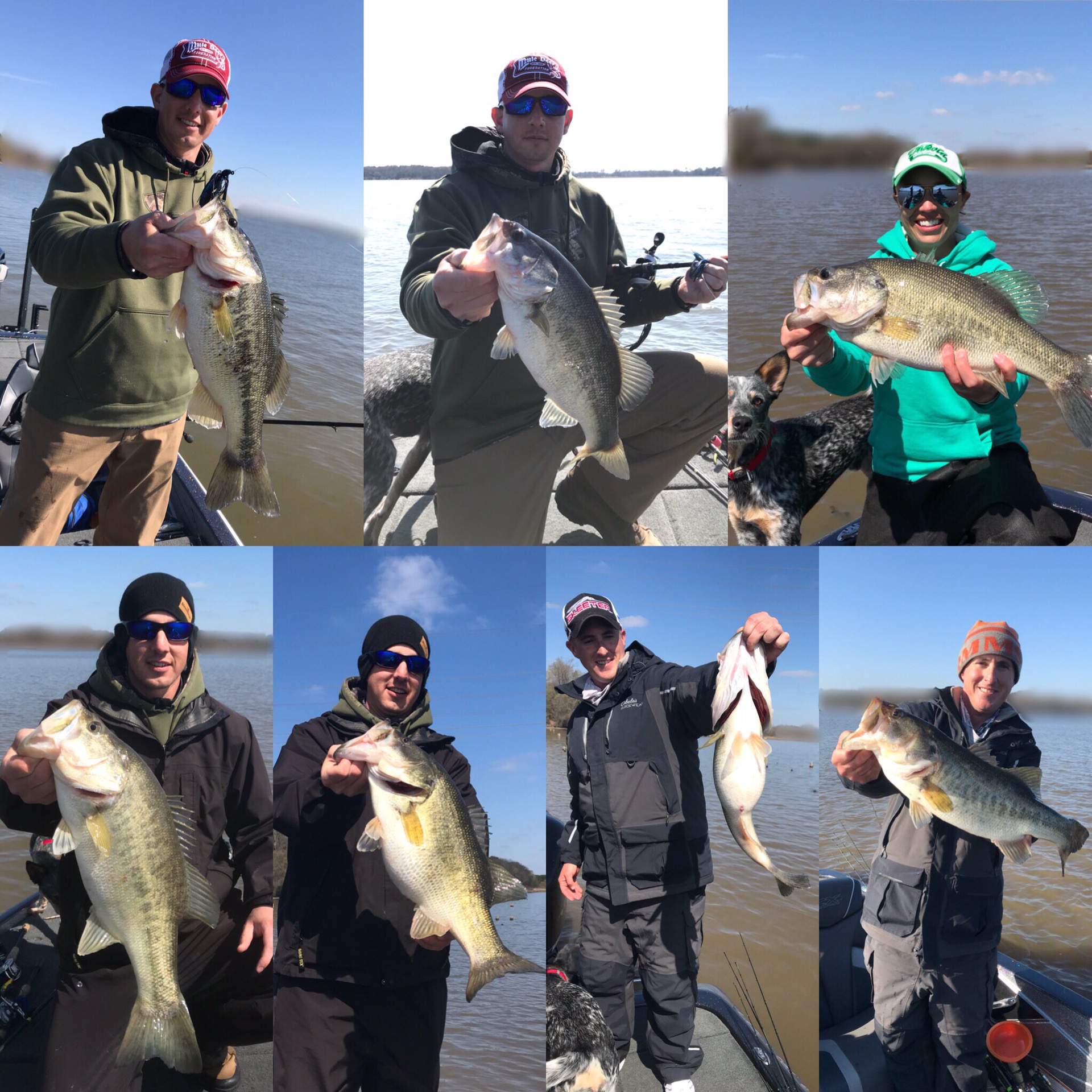
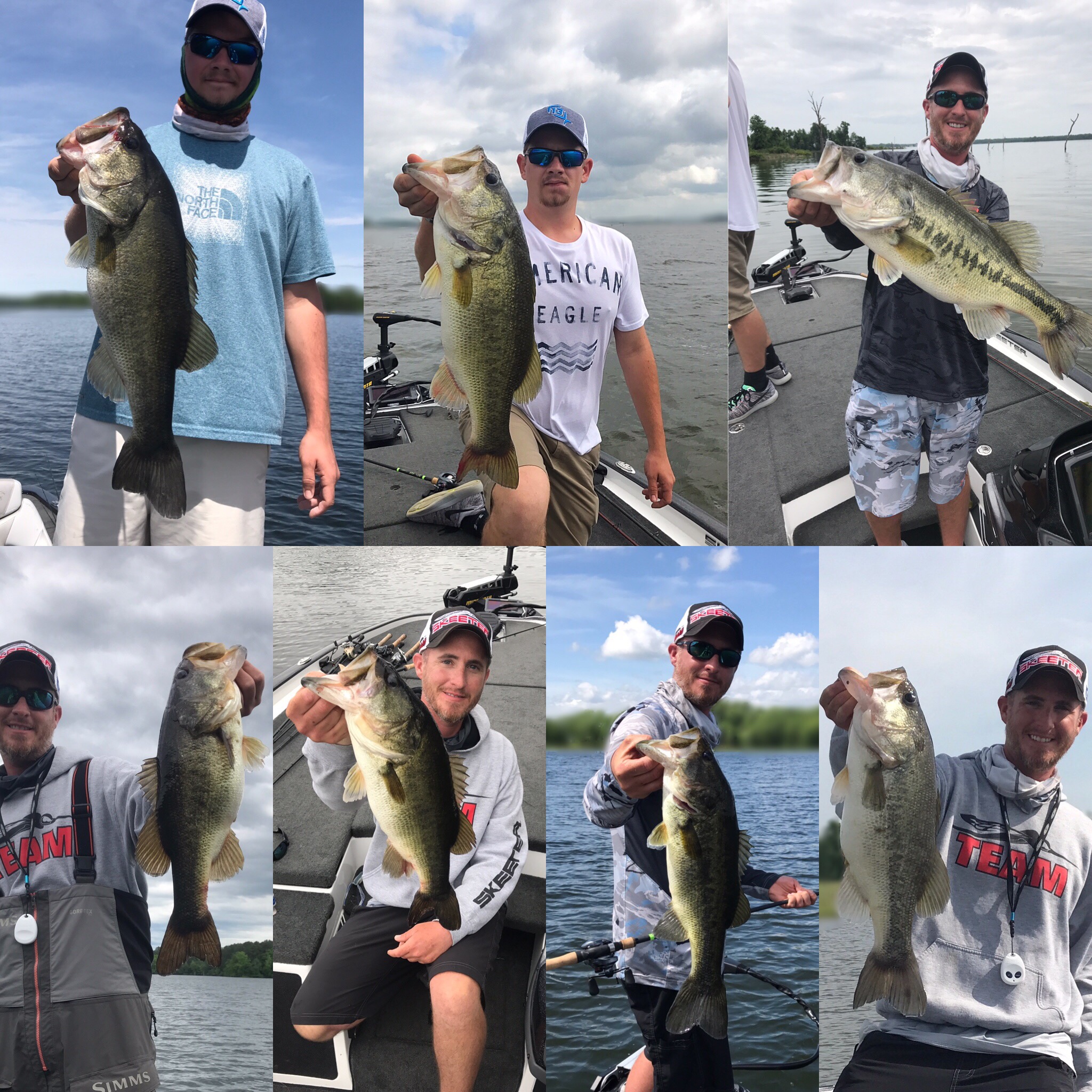
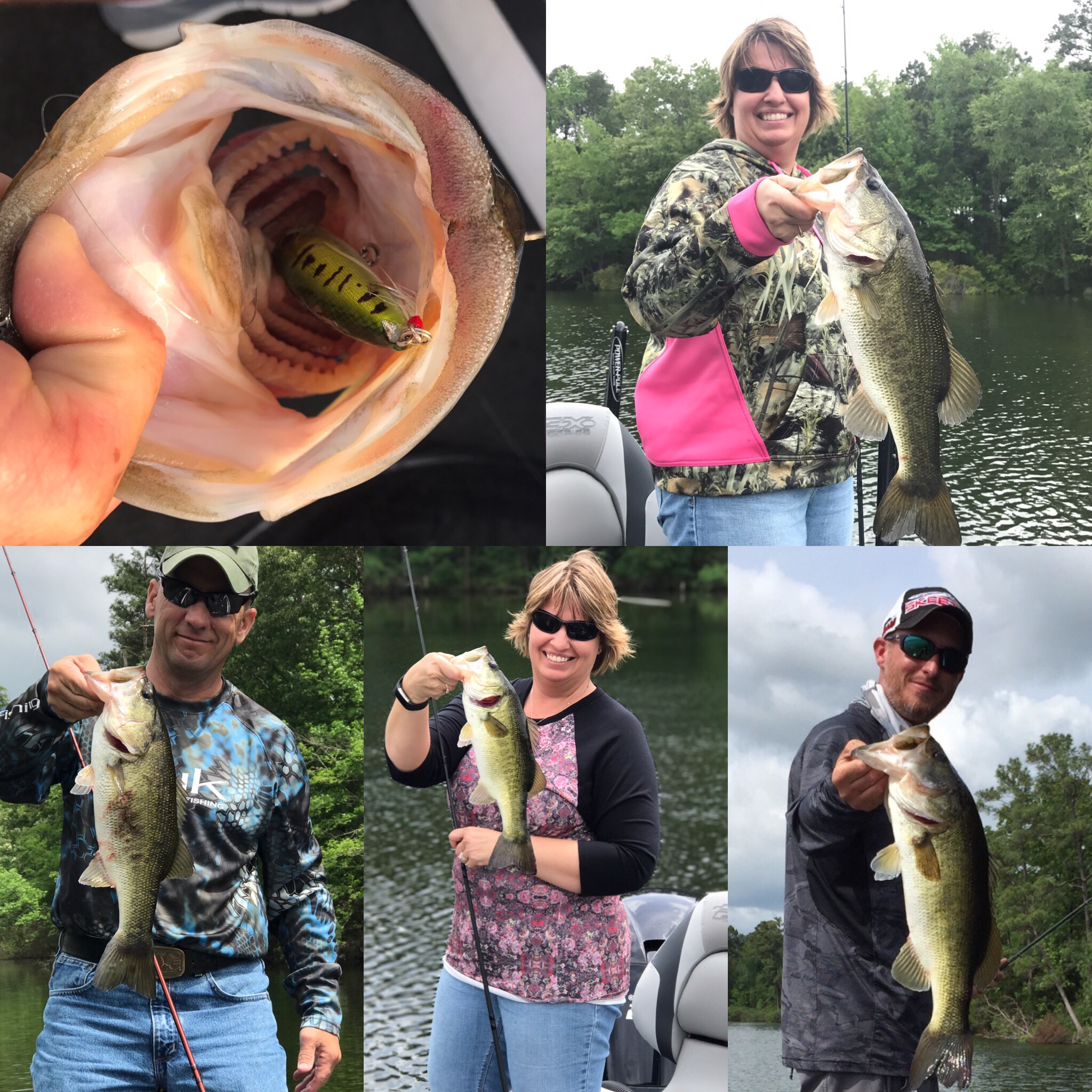
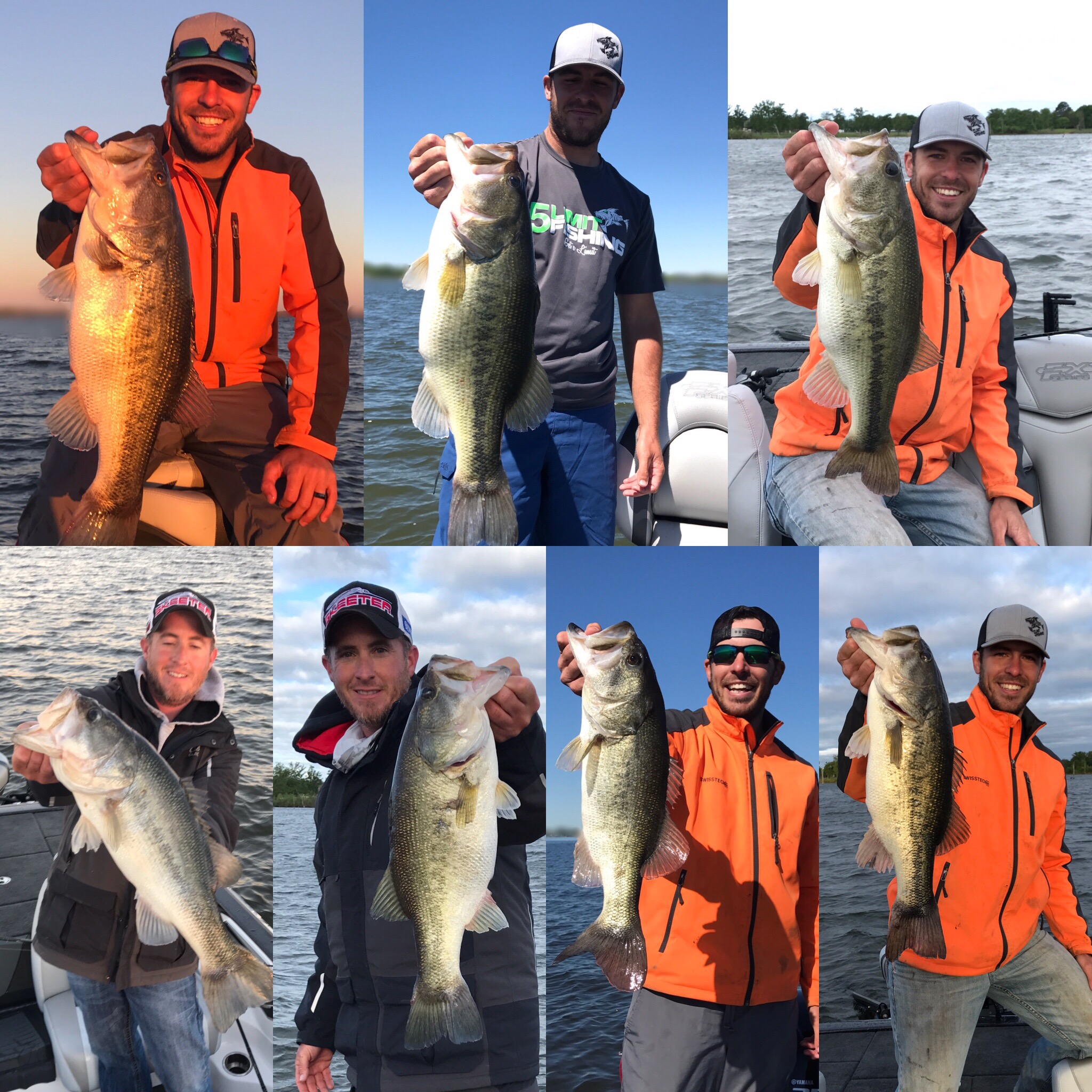
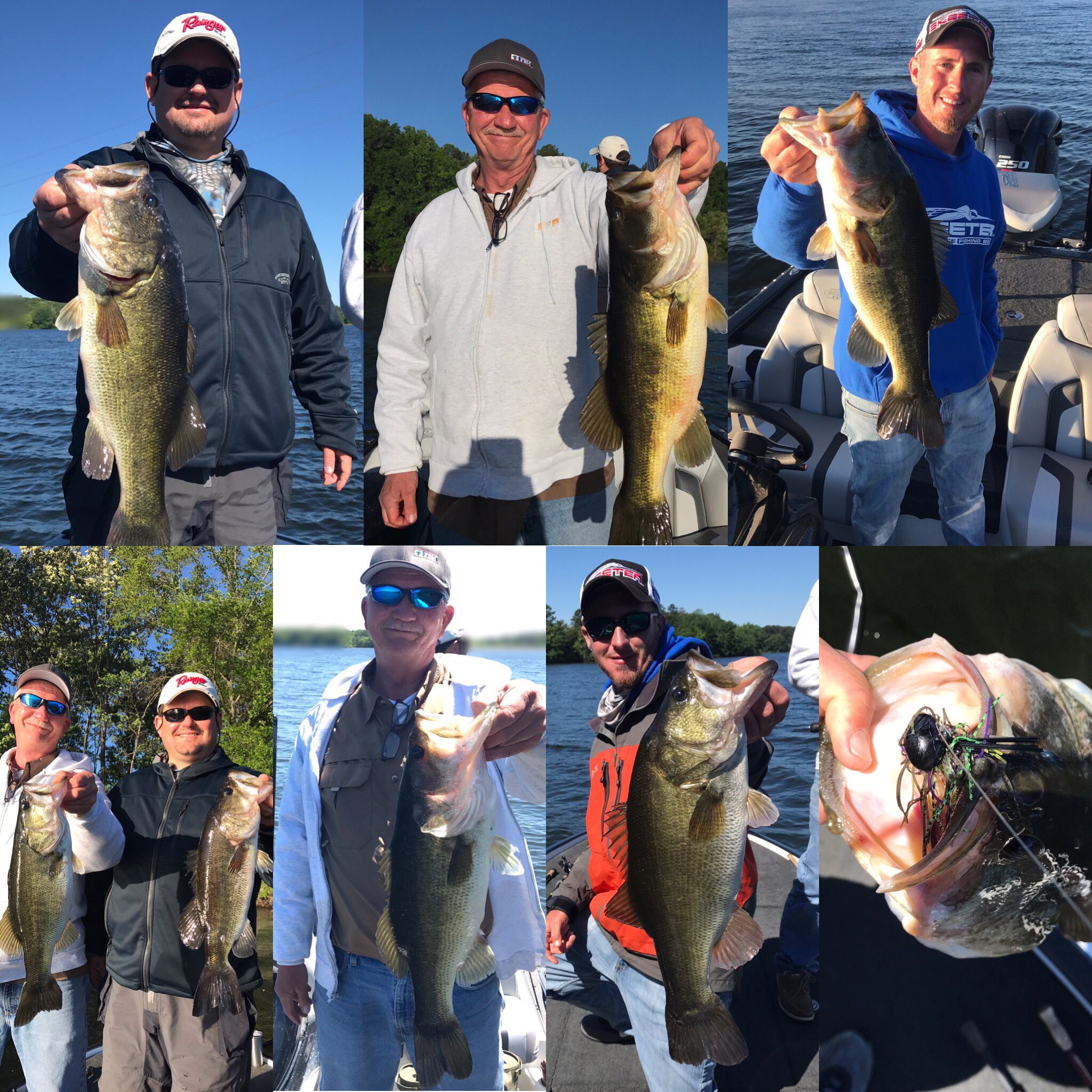
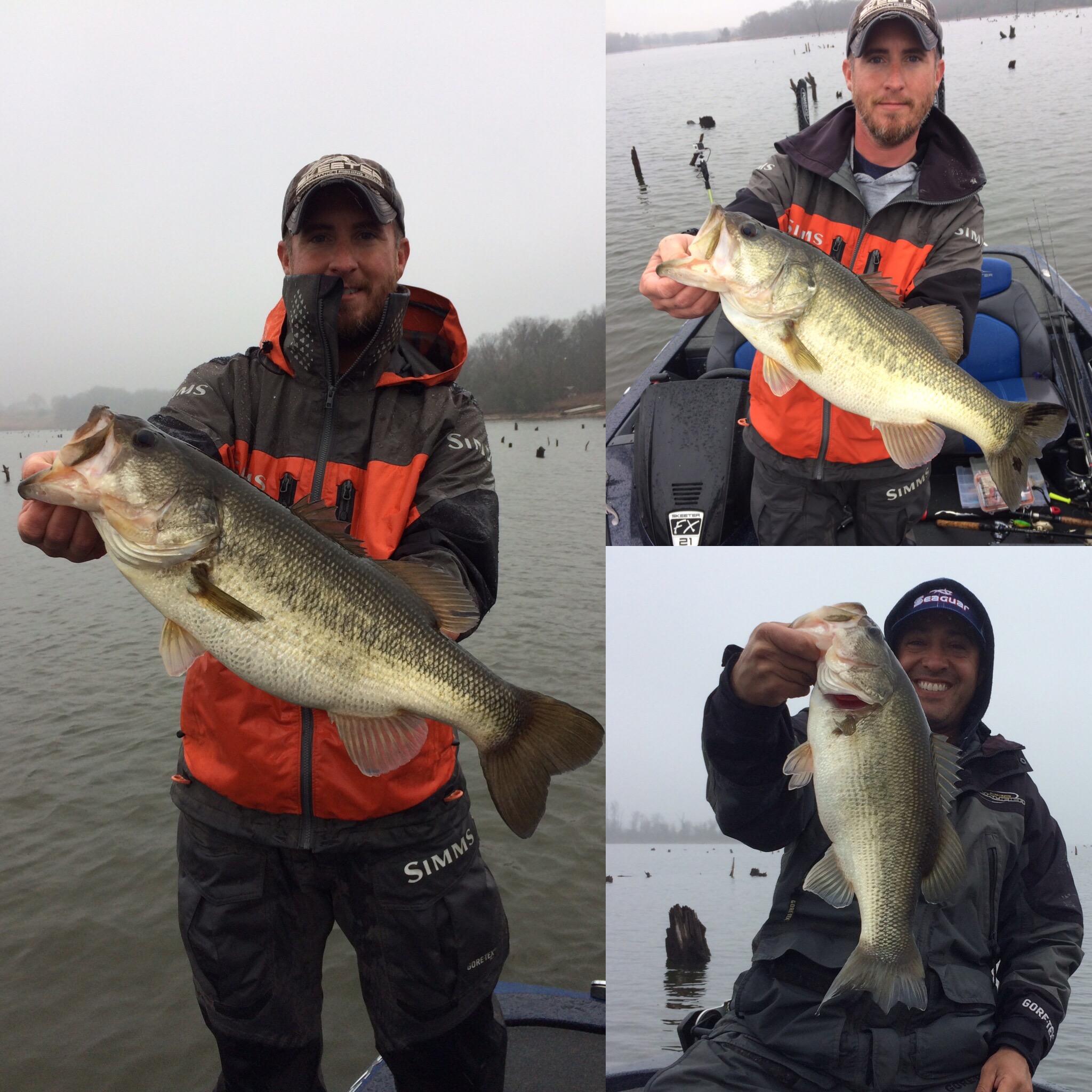
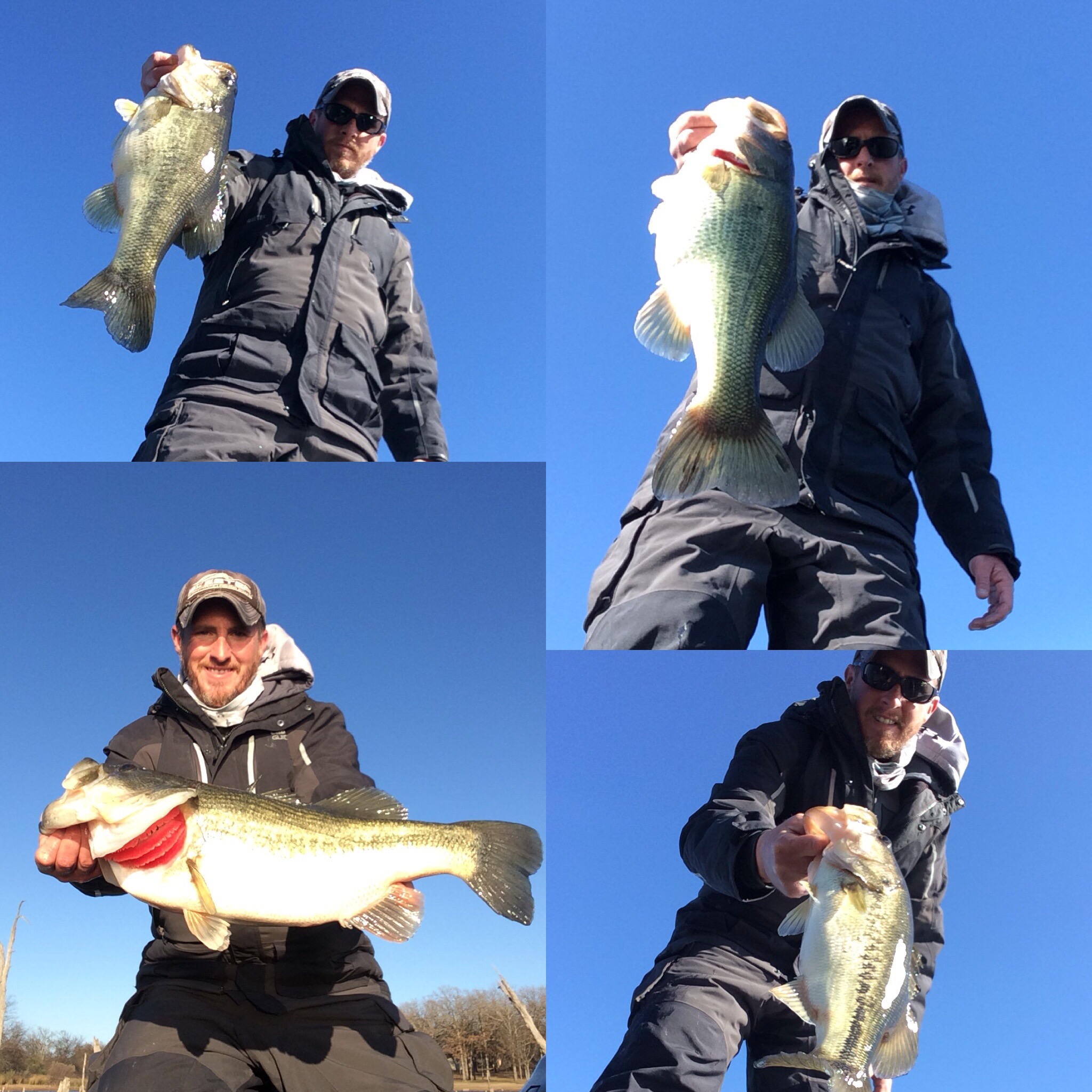
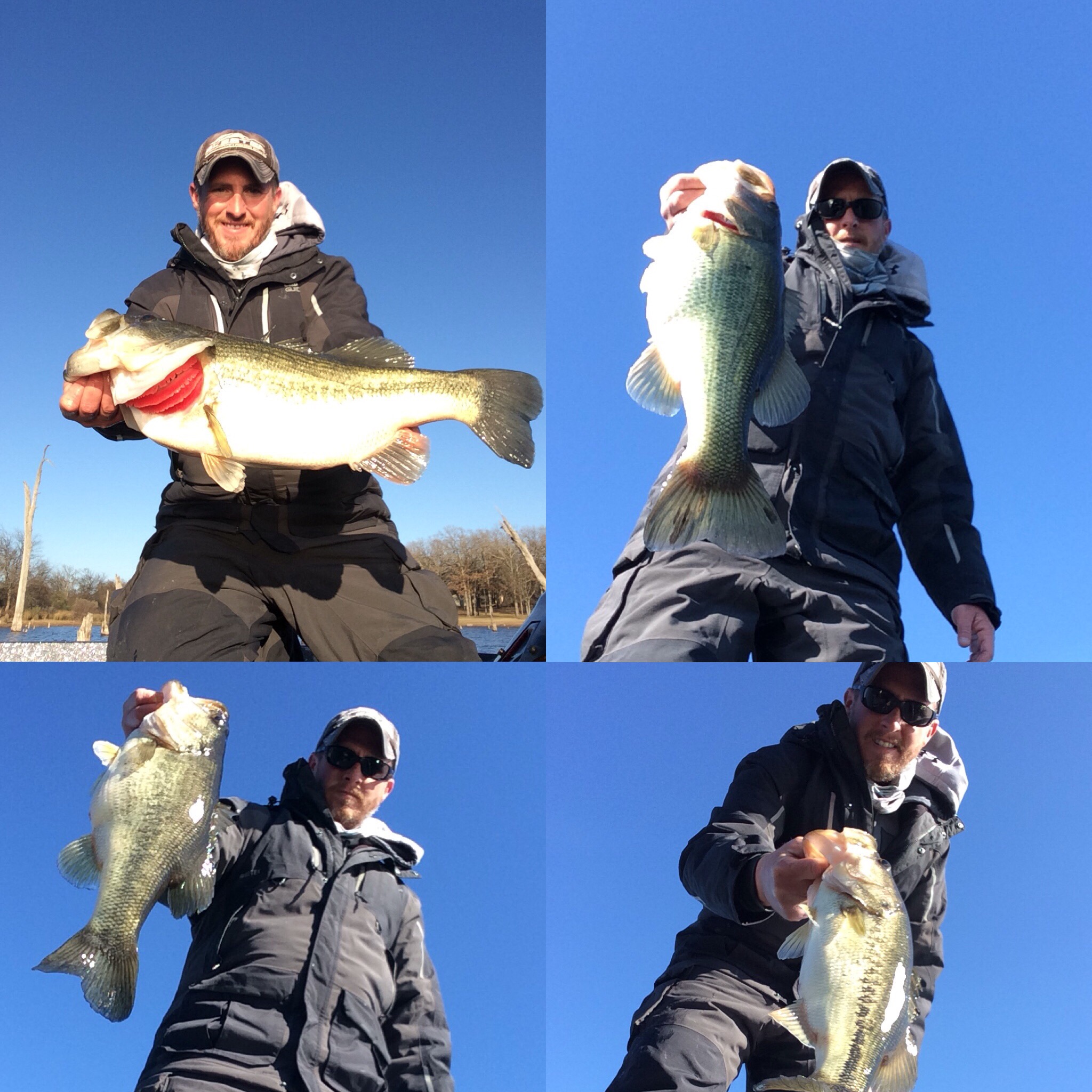
Below are some recent pictures. Each group of pictures is from one day of fishing, all different bass. You can see a few where I’ve been having a good time on my days off!

e2aac62c-38b5-4da9-b9fe-851fcc7282b6d353e0af-38e3-4b84-a4d6-d99a9dd33659f3161710-81c0-4d50-a18e-e12bef1b8cc12f4f1b97-4aba-4719-a07b-d1ad0b7e9bfdc7a91eb7-3c47-4033-bc89-210f4acd0381c77afe45-9dac-4513-9f6c-a35d1b889699


LAKE FORK GUIDE ANDREW GRILLS © 2013 Frontier Theme